Music Marketing Tools for Independent Artists: What You Need and When
The music marketing tools an independent artist needs, job by job, when an all-in-one platform beats separate tools, and which to set up first for a release.
By Sam Blackie, Head of Growth at un:hurd music
Last updated: 20 October 2026
Key Takeaways
- An independent artist needs a tool for six jobs: getting music onto streaming services, planning releases, capturing fans, pitching playlists, running ads and reading their data. Spotify for Artists is free, a distributor such as Ditto, Amuse, Symphonic or CD Baby handles delivery, and un:hurd music covers planning, fan capture, pitching, ads and insights in one membership.
- An all-in-one music marketing platform suits artists who want fewer subscriptions and their data in one place, so a Smart Insights flag can lead straight to a Fan Hub page, a pitch or an ad. Separate tools suit artists who already have a setup they like for one job.
- Automated music ads through un:hurd music's social ad tool run on Spotify, Meta, TikTok and YouTube from $100 without your own ad account, with the 20% fee taken from the budget you set. Running Meta Ads Manager yourself gives you more control but a much steeper learning curve.
- For a release, set up your distributor, a Planning Cycle and a Fan Hub page first, pitch playlists once the track is live on Spotify, and judge every tool a month later by the listeners, followers and fan sign-ups it brought in.
The music marketing tools an independent artist needs cover six jobs: getting your music onto streaming services, planning the release, capturing fans, pitching playlists, running ads and reading your data. Spotify for Artists is free and a distributor such as Ditto, Amuse, Symphonic or CD Baby gets your music out, while un:hurd music covers the other jobs in one membership through Planning Cycles, Fan Hub, playlist pitching, the social ad tool and Smart Insights.
This guide goes through each job, explains when one platform beats a stack of separate tools, covers automated ads against running Ads Manager yourself, and sets out which tools to set up first for a release.
What music marketing tools does an independent artist need?
An independent artist needs one tool for each job in a release, and most of the jobs have a free or low-cost option. The six below are the ones that come up on every release, whatever your genre or budget.
Getting your music onto streaming services
A distributor delivers your music to Spotify, Apple Music and the other streaming services, and it's the one tool you need before anything else. Ditto, Amuse, Symphonic and CD Baby are all distributors used by independent artists. un:hurd music isn't a distributor, so you'll use one of these alongside it.
Planning the release
A release plan tells you what to do each week and in what order. un:hurd music's Planning Cycles build that plan around your time and your goal, then walk you through each task in order. There are five plan types (release, business, live, creative and socials), and one cycle can combine up to two of them. un:hurd music suggests plan types from your answers about your genre, the time you have, what you're planning for, your career stage and your key date.
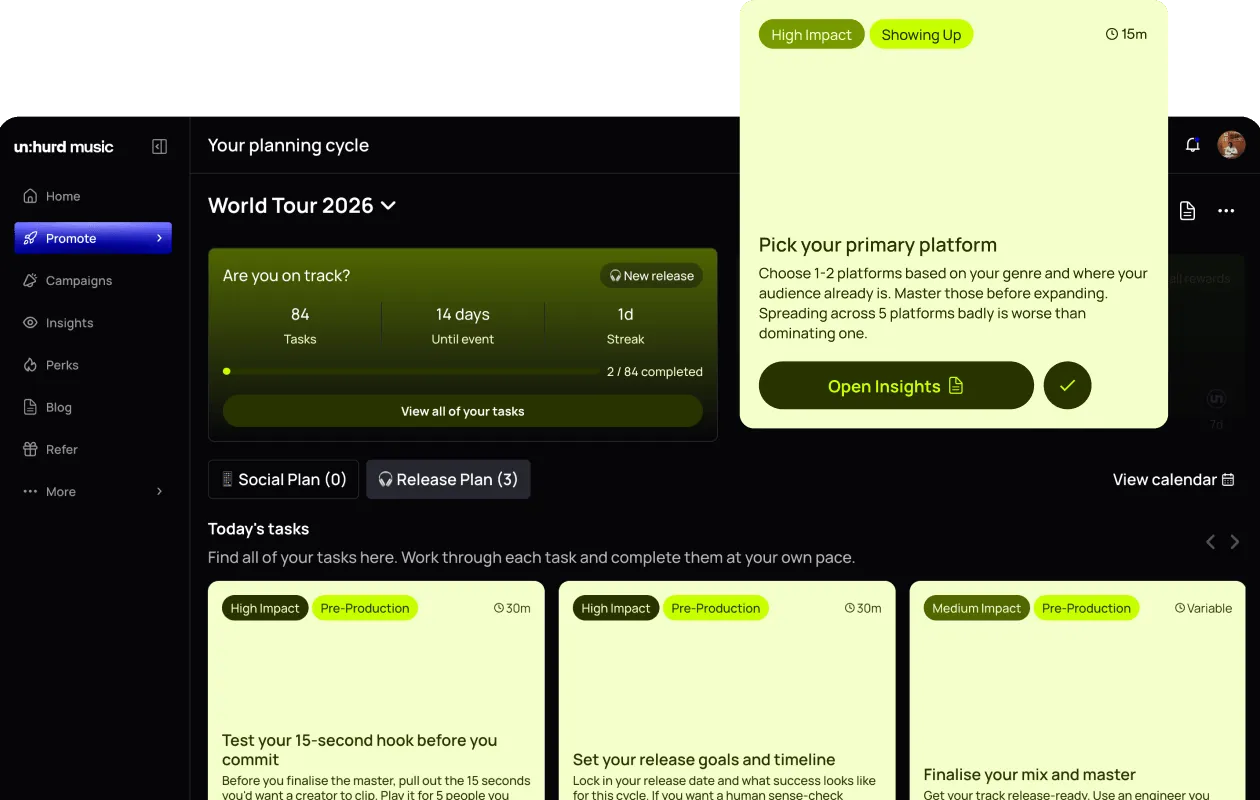
You don't need to finish every task. Completing 25% of the tasks in a Planning Cycle is enough to make a big difference on release day.
Capturing fans
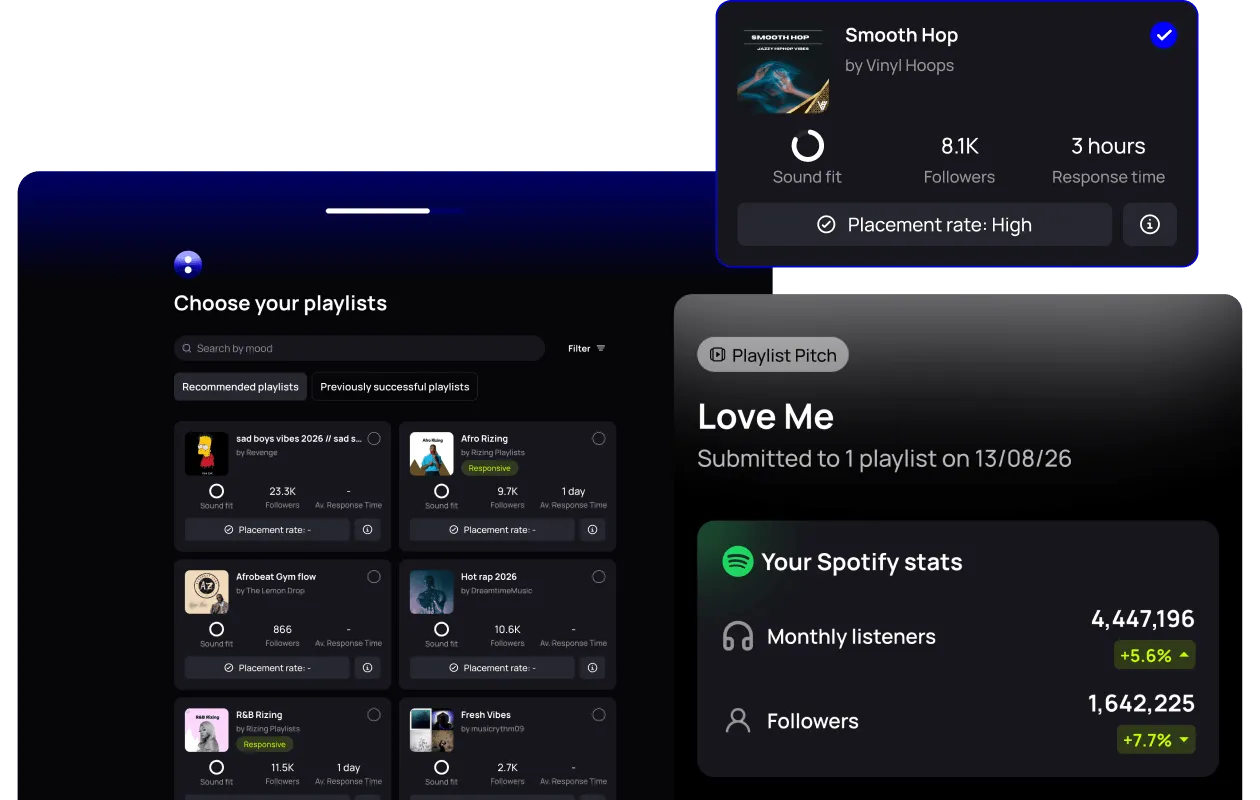
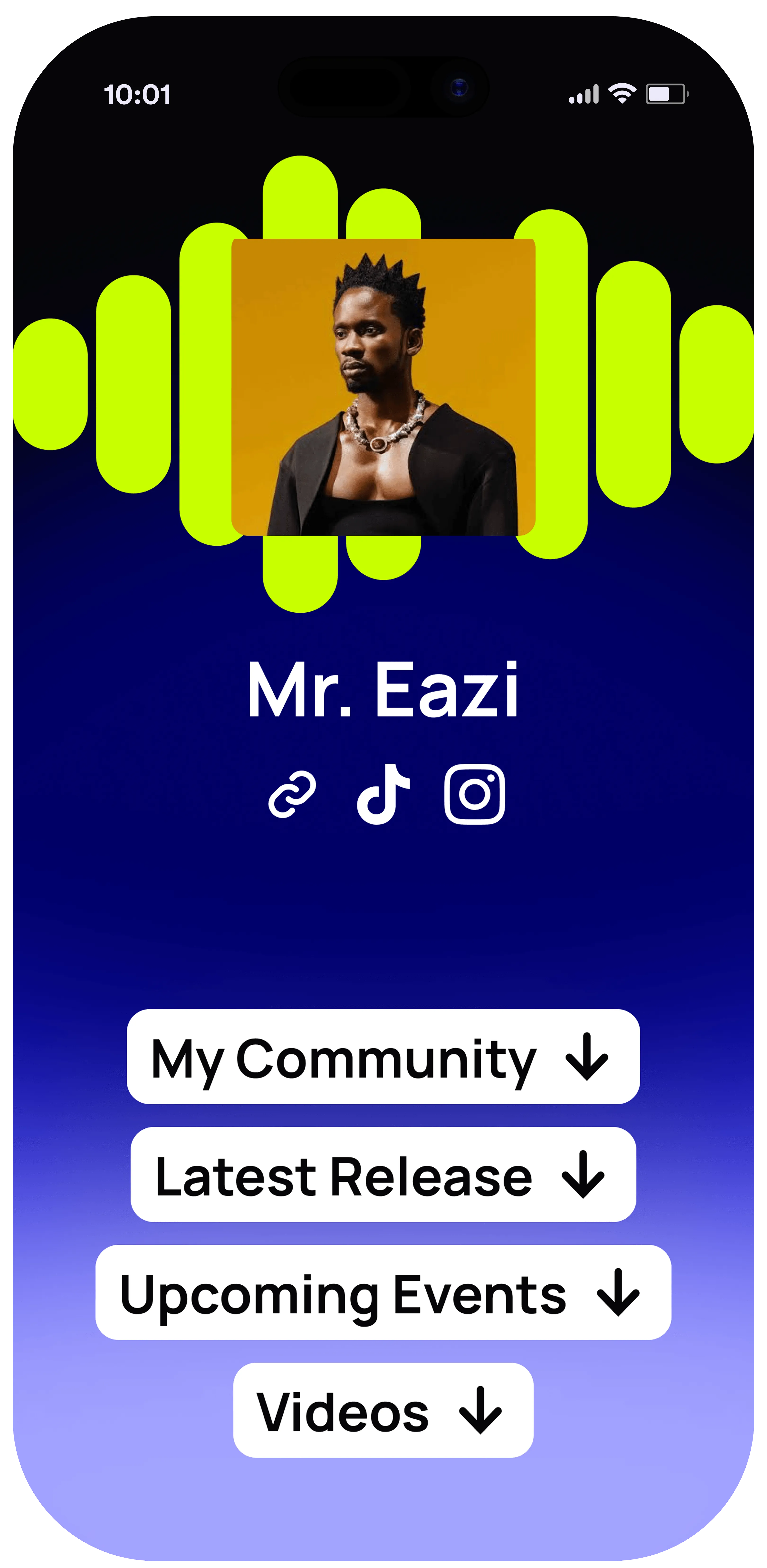
Fan capture means getting listeners' contact details so you can reach them without an algorithm in the way. Fan Hub is un:hurd music's link-in-bio page, and it collects fans' email addresses and phone numbers for your own mailing list. You can export your Fan Hub contacts to email fans through a provider such as Mailchimp. Fan Hub reports visits and sign-ups, and it supports ad pixels, so you can retarget people who visited your page later.
Pitching playlists
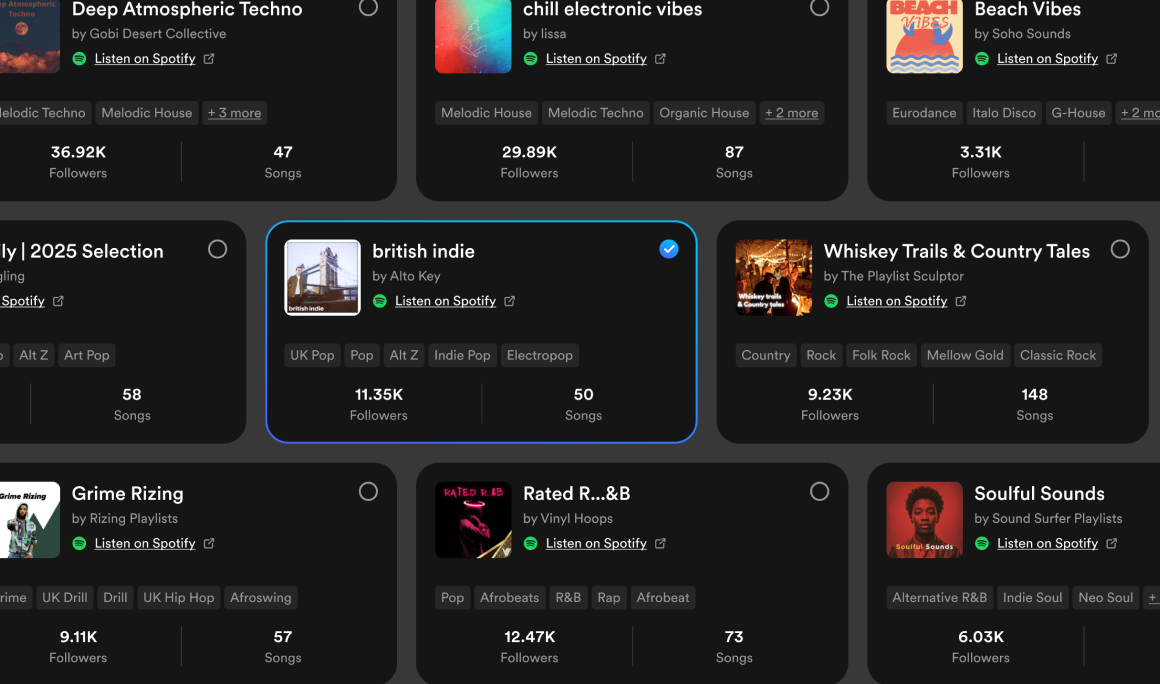
Playlist pitching gets your track in front of curators who can add it. On un:hurd music you pitch from 598 curators, recommended for each track by sound fit and by overlap between your similar artists and the artists already on each playlist. Every declined pitch comes with written feedback and scores for production quality, track appeal and playlist fit, and curators have 7 days to respond or the pitch is refunded.
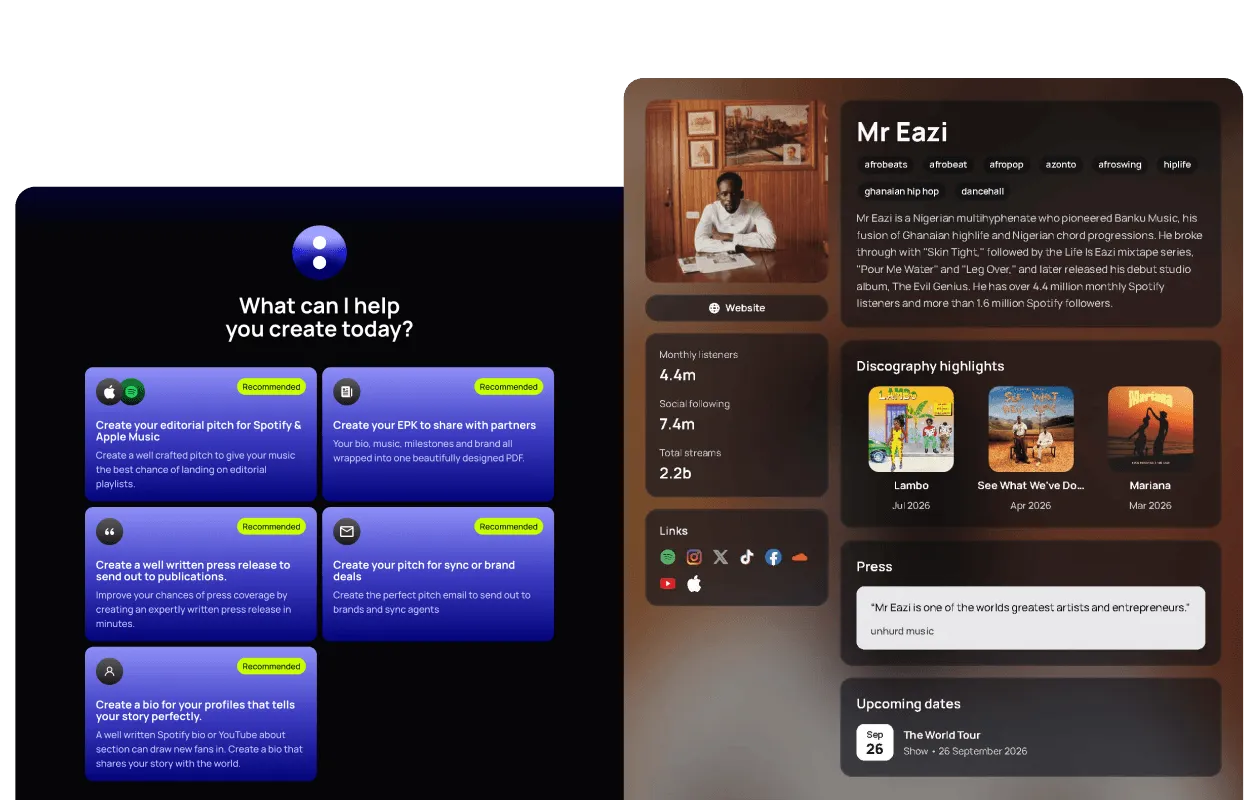
For the written side of pitching and press, Lyra AI Writer creates editorial pitches, EPKs, press releases, bios, brand and sync emails, social content script ideas and fan newsletter copy.
Running ads
Ads put your music in front of listeners you choose. The social ad tool builds and runs campaigns on Spotify, Meta, TikTok and YouTube without you needing your own ad account. You pick a goal, such as your music, a video or a custom page, then an objective: streams, Spotify visibility and placements, engagement, followers or pre-saves.
Reading your data
Spotify for Artists is free and shows your streams, saves, followers and where your listeners found you. Smart Insights reads your streaming and social data together across your connected platforms and gives you the next move in plain language, and the daily summary leads with your biggest highlights and opportunities each day.
All-in-one music marketing platform or separate tools?
An all-in-one music marketing platform is the better choice when you want fewer subscriptions and your data in one place. Separate tools make sense when you already pay for one you like for a single job, such as an email platform you've built a list in.
"Using one tool for the different jobs of marketing your music means fewer subscriptions to pay for, and everything you do connects up better," says Sam Blackie, Head of Growth at un:hurd music. "At un:hurd music we want the tool to grow with you, so each tool gets stronger the more releases you run through it."
The connections are where one platform earns its place. When a city's fan count crosses 500, Smart Insights suggests a Fan Hub email capture page for that city. When your Shazams jump overnight, it suggests a geo-targeted ad in the city where Shazams are highest, and in the social ad tool's advanced targeting you can choose cities Smart Insights has flagged. If you plan a release with a release Planning Cycle, it suggests the right moments to run an ad.
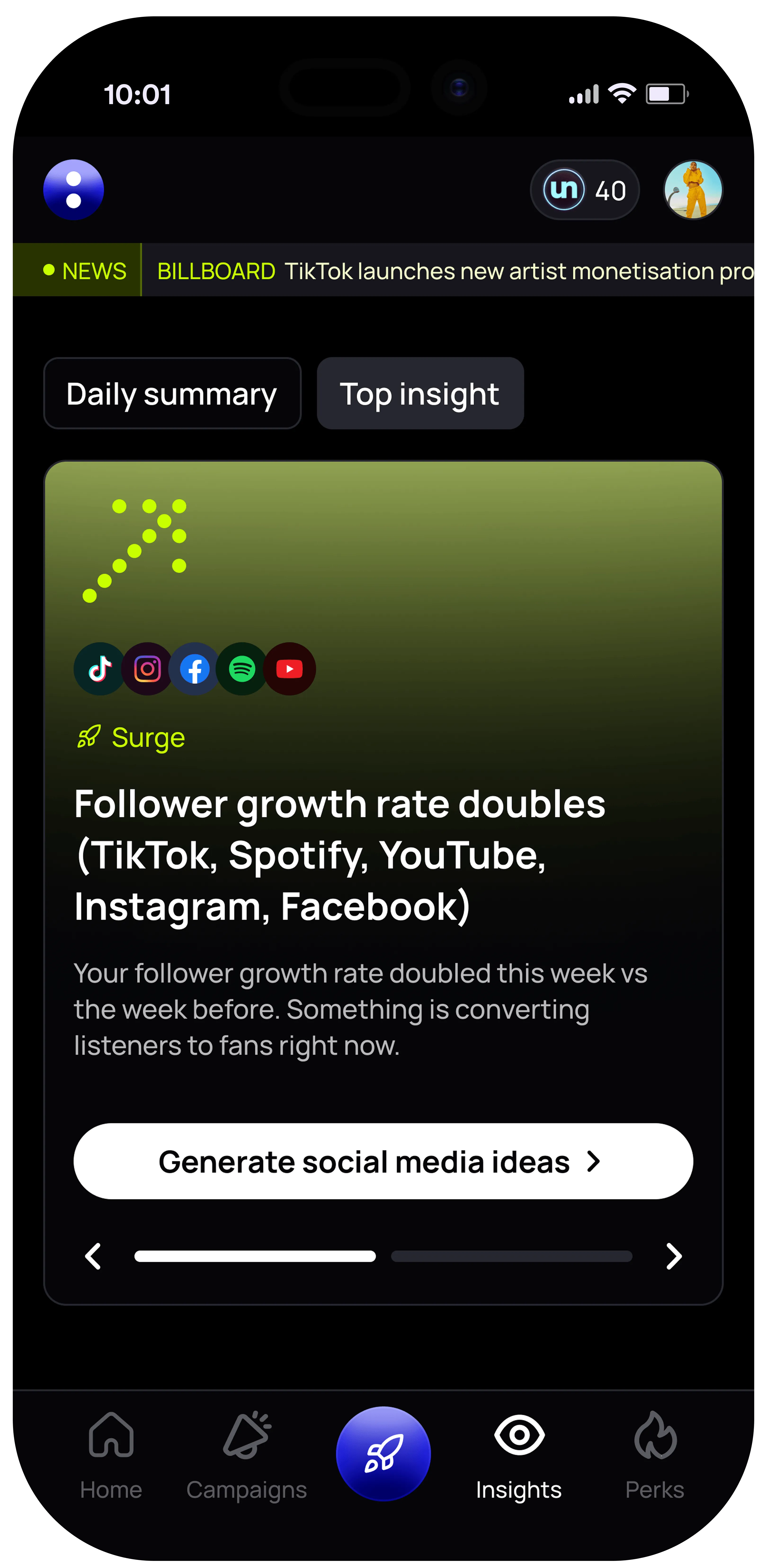
Katya is one artist who used these together. Smart Insights flagged that her London fan count across all her connected platforms had passed 500 and recommended a live show there. She supported Parra For Cuva at the Roundhouse in London on 17 October 2026 and used a Live Planning Cycle to build awareness ahead of the show.
The trade-off is depth in a single job. A specialist email platform will have more email features than an export from Fan Hub, and Fan Hub doesn't send emails itself. If one job matters far more to you than the rest, a specialist tool for that job can sit alongside an all-in-one platform.
What an all-in-one music marketing tool costs
un:hurd music is membership only. Monthly membership is £12.99 a month with one £6 playlist pitch included each month, and annual membership is £69.99 a year with 12 pitches included. Fan Hub comes with both. To buy a subscription, start the 7-day free trial at app.unhurdmusic.com and choose monthly or annual. You can buy extra pitches during the trial or as a member, and ad campaigns are paid for separately at checkout.
Automated music ads vs running Ads Manager yourself
Automated ad tools set up the campaign, the targeting and the placements for you, which saves time and avoids the mistakes that come with learning an ads manager on your own release. Running Meta Ads Manager or TikTok Ads Manager yourself gives you full control, but it was built for experienced marketers.
Sam Blackie puts it this way: "Ads managers are built for experienced marketers, not artists, so the learning curve is huge, and the platform is also trying to make as much money as it can, so its suggestions aren't always in the ad booker's interest."
In un:hurd music's social ad tool, the targeting is set from your data and you can get more specific with advanced targeting. Campaigns start from $100, show estimated results before launch, and are reviewed and live within 48 hours. Budgets are priced in US dollars and converted to your local currency at checkout, and the 20% ad fee is taken from the budget you set rather than added on top. Our guide to automated music marketing tools and release strategy covers ads in more depth.
Which music marketing tools to set up first for a release
Set up the tools that need time to work before release, and save the ones that need a live track for release week. This order works whatever tools you use.
Before release
Upload your track to your distributor early enough for it to reach every service on release day. Start a release Planning Cycle so your tasks are mapped out, and build your Fan Hub page so fans have somewhere to sign up from your bio. Connect your profiles to un:hurd music so Smart Insights and the daily summary have your data from the start.
Alex Brees, un:hurd music's founder, recommends seeding curators 14 days before release, including curators who accept pitches organically on socials, and then sending five or more pitches as soon as the track is out.
Release week
Pitch playlists once the track is live on Spotify, because un:hurd music's playlist pitching only takes released songs. If your Planning Cycle suggests running an ad, this is when to set it up, so the ad and any playlist adds land together.
The month after release
Check what each tool did and act on what Smart Insights flags. When a track's Spotify Popularity score is above 15 and climbing, Smart Insights suggests pitching it to five playlists that week, which is a good moment for a second round of pitches.
How to tell if your music marketing tools are working
Your music marketing tools are working if your Spotify followers, monthly listeners and fan sign-ups grow in the weeks after you use them. Each tool has its own number to check.
- Playlist pitching: each pitch campaign on un:hurd music has a stats screen showing how your Spotify monthly listeners and followers change over the 4 weeks after it starts.
- Ads: the Campaigns tab shows each ad's start and end dates, budget spent, results and cost per result, and each campaign has a full report with your Spotify listeners, followers and Popularity score one month after.
- Fan Hub: visits and sign-ups show whether your link in bio is turning listeners into contacts.
- Planning Cycles: compare your Spotify stats month on month while you work through the tasks.
Across about 74 un:hurd music artists who used Planning Cycles in a 30-day period and completed at least 5 tasks, 81% grew at least one of their Spotify monthly listeners, followers or Popularity score month on month.
A tip that works with any set of tools
Before you pay for a new tool, write down the one number it's meant to move and the date you'll check it, such as Fan Hub sign-ups or Spotify followers a month after a pitch. On that date, keep the tools that moved their number and drop the ones that didn't. It stops subscriptions piling up, and it shows you which jobs need more of your time on the next release.
The short version
An independent artist needs tools for six jobs: distribution, release planning, fan capture, playlist pitching, ads and reading data. Spotify for Artists is free, a distributor such as Ditto, Amuse, Symphonic or CD Baby gets your music out, and un:hurd music covers planning, fan capture, pitching, ads and insights from £12.99 a month or £69.99 a year. One platform keeps your data together so each tool can point to the next, and separate tools make sense when one job needs a specialist. Set up planning and fan capture before release, pitch and run ads once the track is live, and judge every tool by the followers and sign-ups it brings in a month later.
If you've got a release coming up, start your 7-day free trial at app.unhurdmusic.com, build a release Planning Cycle and set up your Fan Hub page before release day.
For a platform-by-platform view, read our guide to the best music promotion platforms and the best music promotion services. For fan capture, see the best fan capture and music CRM tools, and for data, the best Spotify analytics tools. Our guides to planning your release and playlist pitching go deeper on planning and pitching.
About the author
Sam Blackie is Head of Growth at un:hurd music and has worked on artist ad strategy.