How to Find a Music Manager in 2026 (And Whether You Actually Need One)
Music managers cost 15-20% of your income. Learn when you're ready for one, how to find the right manager, and what to do instead if you're not there yet.

If you're an independent artist searching for a music manager, you're probably feeling stretched thin. You're writing, recording, releasing, posting, pitching playlists, running your own socials, and trying to figure out what to do next... all while holding down a day job. A manager feels like the answer to everything.
And sometimes it is. But here's what most "how to find a manager" guides won't tell you: the majority of independent artists under 50,000 monthly listeners aren't actually in a position where a manager makes sense yet. Not because they're not talented, but because the economics and the timing aren't right.
This guide covers the full picture. What a music manager actually does, what they cost, how to find one if you're ready, and what to do instead if you're not there yet.
What Does a Music Manager Actually Do?

Before you start looking for a manager, it helps to understand what you're actually looking for.
A music manager handles the business side of your career so you can focus on the creative work. That sounds broad because it is. Day to day, a manager might be negotiating deals with labels or publishers, coordinating your release schedule, booking studio time, liaising with your distributor, handling press enquiries, managing your budget, and connecting you with booking agents, promoters, and sync opportunities.
Think of them as the CEO of your music career. They're the person who connects the dots between all the moving parts.
But here's what a manager is not: they're not a miracle worker. A good manager amplifies what you're already doing. They don't replace the need for you to have great music, a growing audience, and a clear direction. If those foundations aren't there, even the best manager in the world can't build something from nothing.
How Much Does a Music Manager Cost?
This is one of the most searched questions around music management, and for good reason. Understanding the money side helps you figure out whether you're ready.
Commission structures explained
The standard model is commission-based. Your manager takes a percentage of your gross income (that's before expenses, not after). The industry norm sits between 15% and 20%, depending on the manager's experience, the scope of services, and your career stage.
Here's what that looks like in practice. If you're earning £5,000 a year from music, a manager at 15% takes £750 and at 20% takes £1,000. At £20,000, that's £3,000-£4,000. At £50,000, it's £7,500-£10,000.
At lower income levels, the maths is tough for both sides. If you're earning £5,000 a year from music (which is more than many independent artists at the early stage), your manager would take home £750-£1,000 for what could easily be 20+ hours of work per month. That's not sustainable for them, and it means they can't give you the attention you need.
Some managers, particularly those working with early-career artists, will work for free initially or on a reduced rate in exchange for a longer contract term. Others work as consultants on a flat monthly fee (typically £200-£500/month) for specific tasks like release strategy or pitching, rather than full management.
What about post-term commissions?
This is where it gets tricky, and where you need to pay attention to the contract. Most management agreements include a "sunset clause" that entitles your manager to keep earning commission on deals they helped create, even after your contract ends.
A typical sunset clause runs 1-3 years after termination, usually at a declining rate (full commission in year one, half in year two, a quarter in year three). Some contracts extend this indefinitely for specific deals negotiated during the management period.
Management contracts themselves typically run 1-3 years, with some extending to a 3-5 year initial term. Always negotiate a shorter initial term (one year is ideal) with renewal options tied to clear milestones. That way, if the relationship isn't working, neither of you is trapped.
Do You Actually Need a Music Manager Right Now?
This is the honest bit that most guides skip over.
Danny Desai, un:hurd's agency director and a working music manager, knows what catches his eye:

"I'm personally looking for people who the industry doesn't seem to know loads about but seems to be engaging people in some shape or form. A lot of the time this involves how engaged their social audience is. Engagement rate is much more important to me than overall followers, stream count, or features on platforms."
That's a key insight. You don't need millions of streams or a massive follower count. What Danny (and most good managers) are looking for is genuine engagement: people actually connecting with your music, not just numbers on a screen. If your audience is small but actively saving, sharing, and commenting, that's far more attractive than inflated vanity metrics.
But engagement alone isn't enough. There's a useful economics test you can run too. A manager typically takes 15-20% of your gross income. Before you start looking, ask yourself: would the opportunities a manager creates generate enough additional revenue to cover their commission and leave you better off than you are now?
If you're earning £5,000 a year from music and a manager takes 20%, that's £1,000. Can a manager realistically create more than £1,000 in additional income at this stage? Probably not. And an underpaid manager is, almost inevitably, a disengaged manager.
Signs you might be ready
- You're turning down opportunities because you don't have time to manage them
- Your music is gaining real traction (streams, saves, bookings) and you need help capitalising on it
- You're earning enough from music that 15-20% would be a meaningful amount for someone else to live on
- You've been releasing consistently and have a clear artistic direction
- The business side is genuinely holding back your creative output
Signs you're probably not ready yet
- You're hoping a manager will "figure out" your strategy for you
- You haven't released music consistently (at least 3-4 releases in the past year)
- Your monthly listeners are under 10,000 and not growing
- You don't have a clear sense of your own brand, sound, or goals
- You're looking for a manager because you saw someone else get one
None of this means your music isn't good enough. It means you might need a plan before you need a person.
How to Find a Music Manager (If You're Ready)
If you've done the honest assessment and you're genuinely at a stage where a manager makes sense, here's how to go about it.
Where to look
The best management relationships almost always start through existing connections, not cold outreach. That said, here are the most effective routes:
Your local scene and genre community. Attend industry events, showcases, and networking meetups. The UK has a strong circuit of these, from conferences like The Great Escape and AIM's events to local promoter nights and open mic circuits. Managers are scouting at these events even when they're not actively looking.
Other artists at your level. Look at who manages artists in your genre who are one or two steps ahead of you (not the superstars, but the artists with 50k-200k monthly listeners who are clearly being managed well). Check their socials, website contact pages, and "thank you" credits for management names.
Online communities. Discord servers, Reddit communities (r/WeAreTheMusicMakers, r/musicmarketing), and niche genre forums can surface managers who are actively looking for new artists. Building your network through platforms like these can open doors you didn't know existed.
Industry directories. The Music Managers Forum (MMF) in the UK maintains a directory of accredited managers. It's a good starting point for finding legitimate professionals.
How to approach them
Here's the thing most guides won't tell you. Danny Desai's biggest piece of advice isn't about perfecting your pitch:
"Approaching in the first place. Managers are go-getters and always on the lookout for talent, so chances are once you're ready for a manager, people will be queuing up to manage you. You don't want to end up neglecting building your following as an artist because you're busy spending your energy trying to find a manager."
In other words, the best way to "find" a manager is to make yourself findable. Put your energy into releasing consistently, growing your engagement, and being visible in your scene. When you're doing enough to warrant management, the right people will notice.
That said, if you do want to be proactive about it, make your outreach count. When reaching out to a potential manager, include:
- A brief intro explaining who you are and why you're contacting them specifically (not a template)
- Links to your music (Spotify, SoundCloud, or a private link)
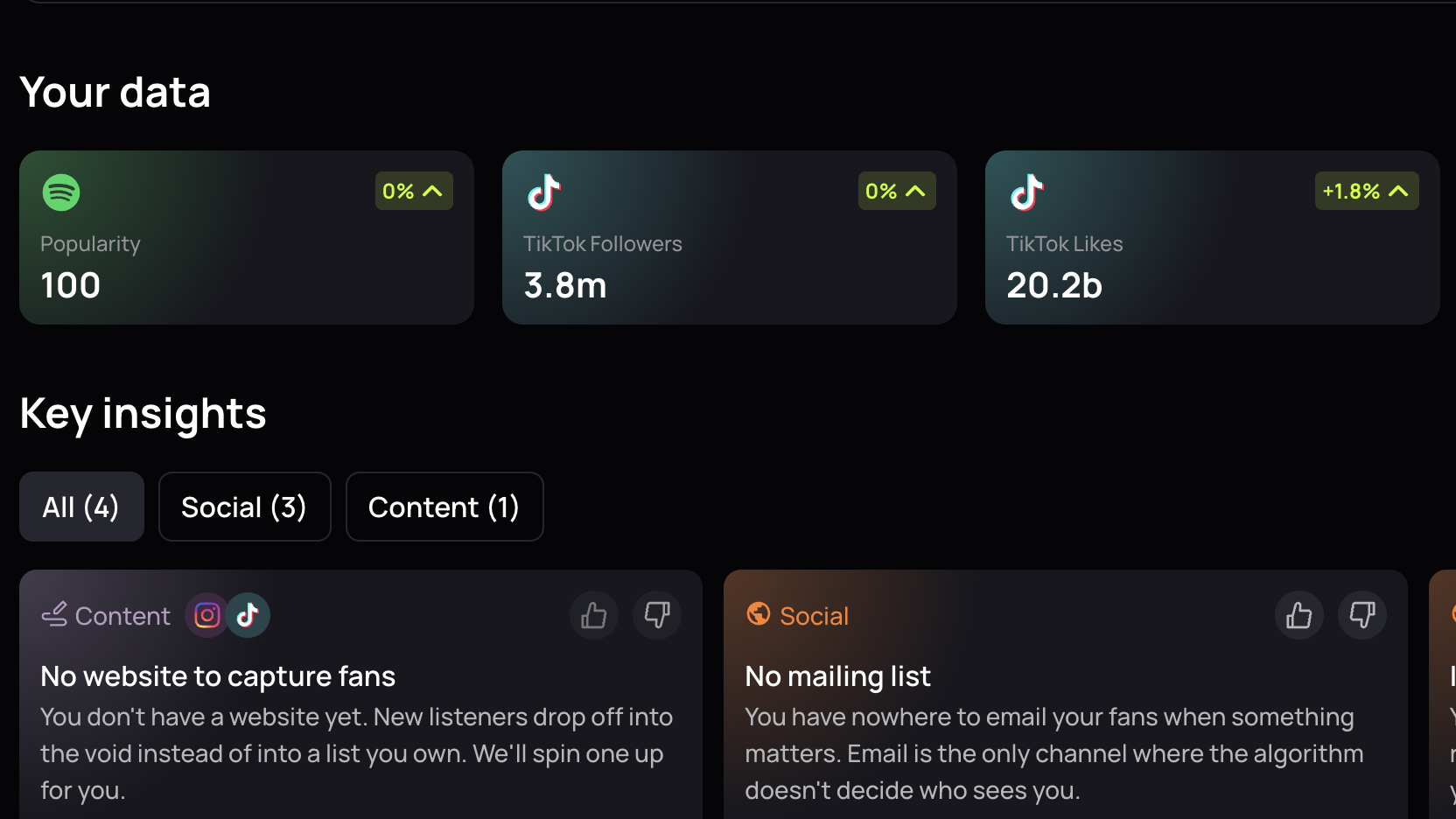
- Your key stats: monthly listeners, follower count, recent growth, any notable placements or press
- What you've been doing on the business side (your release strategy, any campaigns you've run, gigs you've booked)
- A clear ask: you're looking for feedback or a conversation, not demanding they sign you on the spot
This approach mirrors how you'd reach out to tastemakers and curators, the same principles apply. Personalise it, make it easy for them, and lead with what you've already built.
What managers want to see from you
Managers aren't just evaluating your music. They're evaluating whether you're someone they can build a business with. That means they want to see:
- Consistent releases. Not one track from two years ago. A steady output that shows you're active and committed.
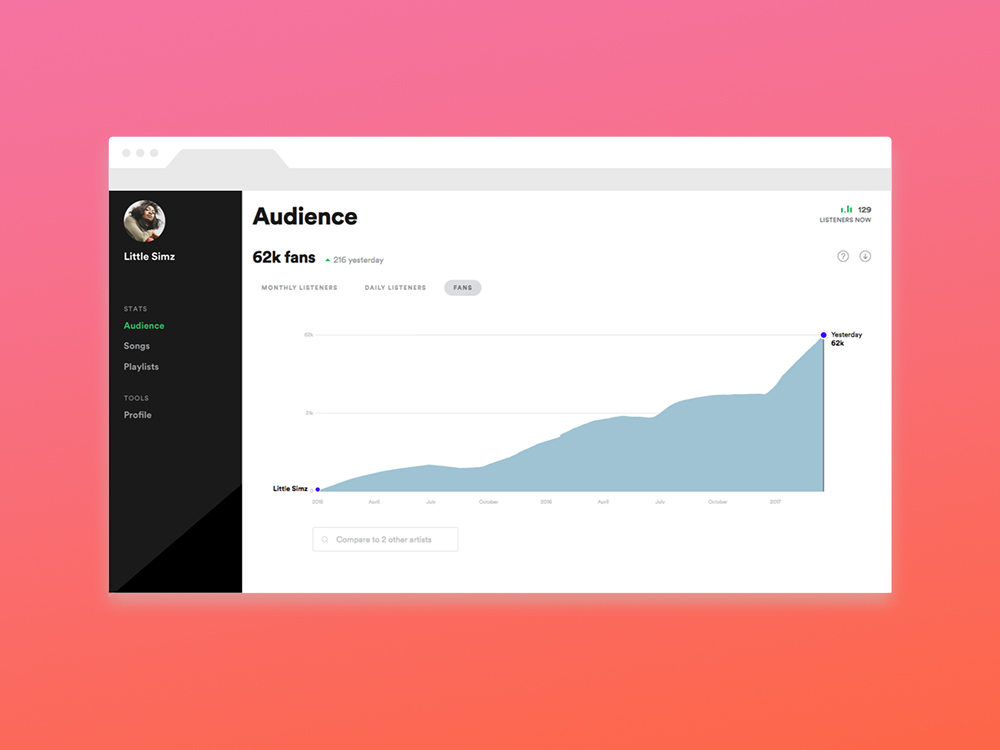
- Growing numbers. Even if they're modest. An artist going from 500 to 5,000 monthly listeners with a clear upward trend is more interesting than one stuck at 20,000.
- A clear identity. Your brand, your sound, your visual aesthetic, your story. Defining your artist identity before you approach managers makes a massive difference.
- Evidence of hustle. Have you been booking your own gigs? Running your own campaigns? Growing your fanbase through genuine effort? This is what separates artists who are ready from those who aren't.
- Professionalism. Responsive communication, organised assets, and a clear sense of what you want from the relationship.
What to Look for in a Music Manager
Not all managers are equal, and a bad management deal can set your career back years. Here's what to look for (and look out for).
Green flags
- They already work with artists at your level or slightly above, not exclusively with superstars or exclusively with artists who've never released
- They have a genuine understanding of your genre and audience
- They can articulate a specific plan for your career, not just vague promises
- They're transparent about their commission structure and contract terms
- Other artists they work with speak highly of them
- They're excited about your music, not just your potential revenue
Red flags
- They ask for upfront fees (legitimate managers work on commission, not retainers, unless it's a clearly defined consulting arrangement)
- They want a long contract term (3+ years) with no performance milestones or exit clauses
- They can't name specific things they'd do differently with your career
- They manage dozens of artists and clearly can't give you meaningful attention
- They pressure you to sign quickly without giving you time to review the contract with a lawyer
- They promise specific results ("I'll get you 100,000 streams" or "I'll get you a label deal")
Contract essentials
Before signing anything, make sure the agreement clearly covers:
- Term length (aim for 1 year initially with renewal options)
- Commission rate and what it's calculated on (gross vs. net, which income streams)
- Sunset clause (what happens to commissions after the contract ends)
- Scope (what exactly are they managing, just music or all entertainment income?)
- Termination conditions (how either party can end the agreement)
- Expense approvals (can they spend money on your behalf without your sign-off?)
Get a music lawyer to review any management contract before you sign. This is not optional. A few hundred pounds on legal advice now can save you thousands later.
What If You're Not Ready for a Manager Yet?
The thing most artists actually need when they search "how to find a music manager" is actually a system.
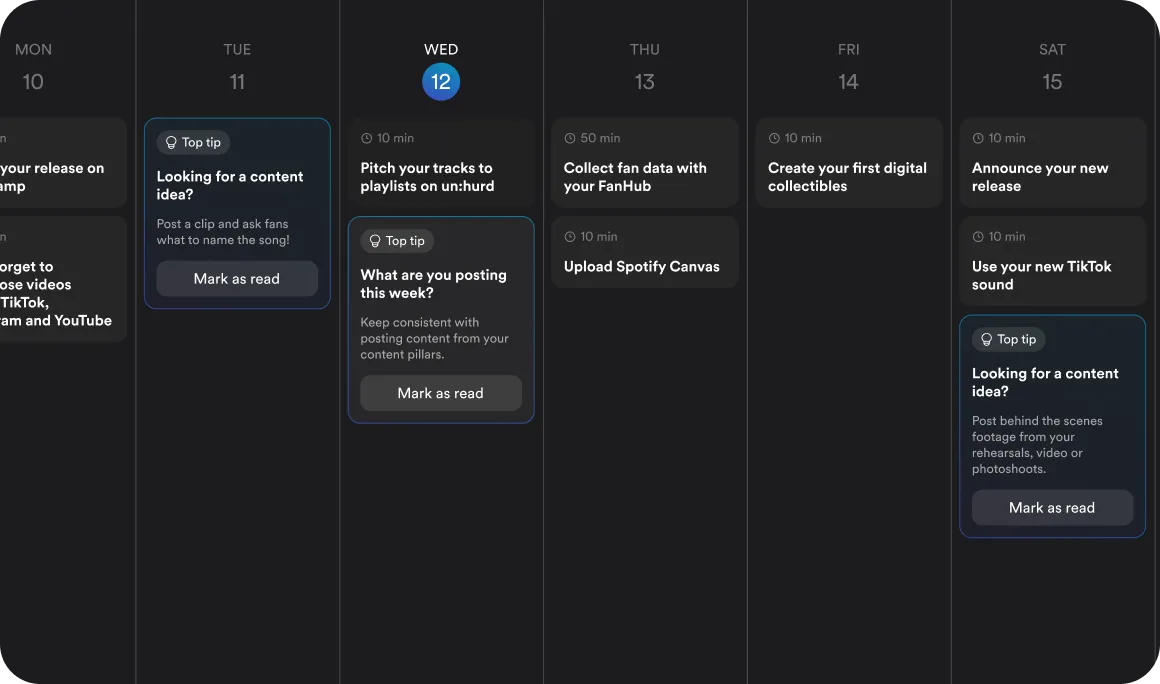
Think about what a great manager does in practical terms: they build a release strategy, they plan out your promotional timeline, they make sure you're doing the right things at the right time, and they hold you accountable to a schedule. That's incredibly valuable. But it's also something that can be structured and systematised.
un:hurd's Release Cycles tool was built for exactly this gap. It generates a personalised release plan with 90+ actions mapped out across your entire campaign, from pre-release through post-release. It tells you what to do, when to do it, and why it matters. The same strategic roadmap a manager would build for you, but available right now, without giving up 20% of your income.
And the results back it up. In 2025, artists who used Release Cycles grew their fanbase 8.2x faster than artists who didn't. That's not a small difference. That's the difference between winging it and having a plan.
The irony is that using a tool like this actually makes you more attractive to managers when you are ready. You'll approach them with a track record of structured releases, growing numbers, and proof that you take the business side seriously. That's exactly what they want to see.
A practical cost comparison
Here's how the costs stack up for an independent artist:
No manager, no plan: Free, but you're guessing. No structure, no accountability, no strategy beyond whatever you can piece together from YouTube videos at 2am.
un:hurd Pro with Release Cycles: From £6.99/month with a 7-day free trial. You get a 90+ action release plan, playlist pitching matched to your sound, ad tools, and progress tracking. The strategic roadmap a manager would build, without the commission.
Freelance music consultant: £200-£500/month. You get strategic advice and guidance, but usually limited in scope (release strategy only, or pitching only, not full management).
Full music manager (15-20% commission): 15-20% of all your gross income. You get full business management, industry networking, deal negotiation, and someone coordinating every moving part of your career.
For most artists in the 0-50k monthly listeners range, the cost of structured self-management is a fraction of what a manager would take, and the strategic value is comparable for artists at this stage.
Frequently Asked Questions

How do I find a music manager near me?
Start with your local music scene. Attend gigs, open mics, and industry events in your area. The Music Managers Forum (MMF) UK directory lists accredited managers by location. You can also search LinkedIn for music managers in your city. That said, management relationships don't have to be local anymore. Many managers work remotely with artists across the UK and internationally.
How much do music managers charge?
The standard is 15-20% of your gross income. Some early-career managers work for free initially or on reduced rates, while consultants may charge flat monthly fees of £200-£500. Always clarify whether commission is calculated on gross or net income, as this significantly affects how much you actually pay.
Can I find a music manager for free?
It's common for smaller artists and managers to work together for free in the early stages, building the relationship on mutual belief. The manager invests their time in exchange for a long-term commission stake if your career takes off. Just make sure this arrangement is clearly documented, even if no money is changing hands yet.
When should I get a music manager?
The practical test: if the business demands of your career are genuinely competing with your creative output, and you're generating enough income that 15-20% would be a meaningful payment for someone else's time. For most artists, this means consistent releases, real audience growth, and opportunities you can't manage alone. If you're not there yet, start with a structured release plan and build the foundations a manager will want to see.
What's the 3-5 year rule with music managers?
Management contracts traditionally run for 3-5 years, or are defined by album cycles (for example, the duration of two album releases). However, the trend is shifting towards shorter initial terms. Aim for a 1-year initial agreement with mutual renewal options. A shorter term protects both sides and ensures the relationship is working before you commit long-term.
Do music managers find you, or do you find them?
Both. The strongest management relationships often start organically, where a manager discovers your music through live shows, playlist placements, social media, or industry word of mouth. But being proactive works too, as long as you approach it professionally with genuine evidence of what you've built. The key is to be visible, active, and clearly growing.
Your Next Step
If you're reading this and thinking "I'm not quite ready for a manager, but I need something," that's exactly the right instinct. The gap between doing everything yourself with no plan and having a full-time manager is massive, and most artists sit somewhere in that gap for years.
You don't need to stay stuck there.
👉 Set up a Release Cycle inside un:hurd to see your full release roadmap with 90+ actions mapped out. It's free to try for 7 days, and it gives you the structure and strategy a manager would build for you, right now, at a fraction of the cost.
💬 Quick tip: before your next release, spend 30 minutes mapping out your pre-release, release week, and post-release actions on paper. Even without a tool, having a written plan puts you ahead of 90% of independent artists. And when you are ready for a manager, that plan is exactly what they'll want to see.