How to Monetise Your Passion for Music (A Realistic Guide for Independent Artists)
Learn how to monetise your passion for music with a realistic, milestone-driven guide for independent artists. From first merch sale to scaling back your day job
How to Monetise Your Passion for Music (A Realistic Guide for Independent Artists)
You can monetise your passion for music. That’s not a motivational poster. It’s a statement of fact backed by thousands of independent artists who are doing it right now, without a label deal, without millions of streams, and often while still holding down a day job.
But we know there are a lot of guides already; and we think they do it wrong. They hand you a list of 15 income streams and tell you to “diversify.” That’s just a to-do list that’ll burn you out before you make your first £50.
The real path to making a living as a musician looks different. It starts with your fans, it moves through clear milestones, and it builds momentum with every release. This guide walks you through how that actually works.
It Starts With Your Fans, Not Your Streams
Why superfans are your real revenue source
Streaming royalties get all the attention, but they’re the floor, not the ceiling. At roughly £0.003 per stream on Spotify, you’d need over 300,000 streams a month just to cover a modest rent. For most independent artists, that’s not where the money is.
Your real revenue source is your fans. Specifically, the ones who care enough to spend money on you beyond just pressing play. In the music industry, these are often called superfans, and research from Luminate (formerly MRC Data) has consistently shown that superfans spend significantly more per artist than casual listeners. We’re talking merch, vinyl, tickets, memberships, tips, and direct purchases.
You don’t need millions of listeners. You need hundreds (or even dozens) of fans who genuinely care about what you’re doing. Check out our guide on finding your first 100 fans.
What a superfan actually looks like

A superfan isn’t just someone who streams your tracks on repeat. They’re the person who buys your limited-run vinyl. They’re the one who shares your new single with their mates before you’ve even posted about it. They show up to your gigs, they subscribe to your Patreon, they reply to your Instagram stories.
The important thing to understand is that superfans aren’t born. They’re made. Every casual listener is a potential superfan. The question is whether you’re giving them reasons to go deeper.
The Milestones That Matter
Most “how to make money from music” guides skip straight to the end state: quit your job, tour the world, live off royalties. That’s not helpful when you’re at the beginning.
Instead, think in milestones. Each one proves something, builds your confidence, and unlocks the next step.
Your first merch sale
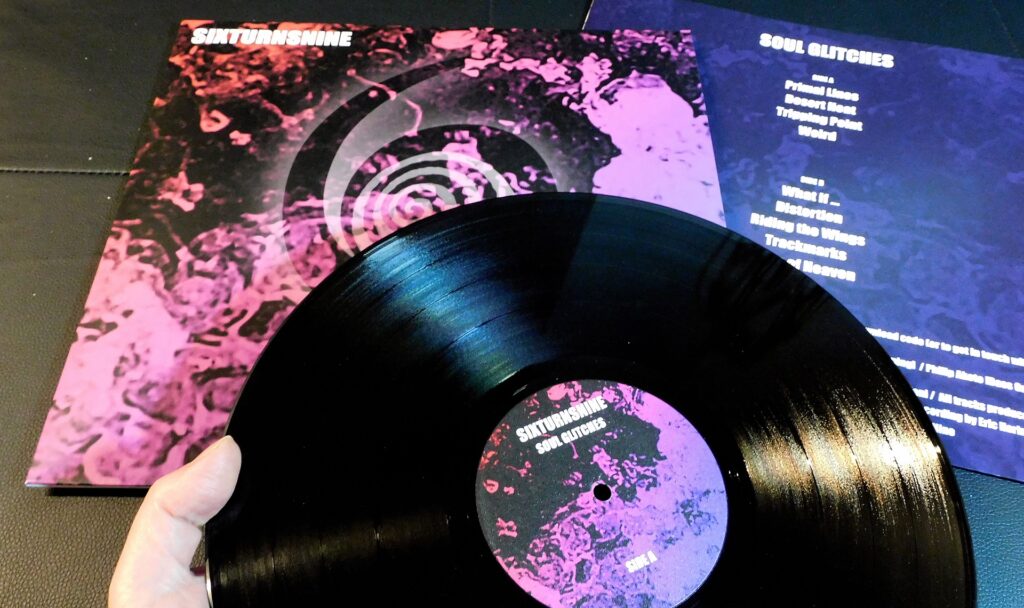
This is the moment you realise someone values your music enough to wear it or own it physically. You don’t need a warehouse full of t-shirts to get here. Services like elasticStage let you sell vinyl on demand with no upfront cost. No minimum orders, no risk. You upload your music, set your price, and they press and ship when someone buys.
Your first merch sale is proof of concept. It tells you that your audience isn’t just passive. They’re willing to open their wallets.
Your first paid gig
Playing live for free has its place when you’re building an audience. But at some point, you need to charge for your time and talent. Your first paid gig doesn’t need to be a headline slot. It could be a support set at a local venue, a private event, or even a paid livestream.
The milestone here isn’t the amount. It’s the shift in mindset. You’re no longer just performing. You’re providing a service that has value.
Your first recurring subscriber
One-off sales are great. Recurring revenue is transformative. When someone signs up to support you monthly (whether through Patreon, a membership, or any other subscription model) they’re making a commitment to your career, not just a single release.
Even 50 subscribers at £5 a month is £250 of predictable income. That’s a phone bill, a streaming subscription budget, or money reinvested into your next release. It adds up faster than you’d think.
Working out your “scale back” number
Here’s an exercise that most artists avoid but shouldn’t: work out how much you actually need to earn from music to start reducing your day job hours.
Write down your essential monthly costs. Rent, bills, food, transport. Now subtract any income you can’t change (a partner’s salary, student loan, whatever). The gap is your target.
You probably don’t need to replace your full salary to start scaling back. If your day job pays £2,000 a month and your essentials cost £1,400, you only need £1,400 from music to go full-time. Or £700 to drop to part-time. Suddenly, the numbers feel more achievable.
How to Make a Living as a Musician: Building Your Income Streams
The income streams themselves aren’t a secret. Every guide lists them. The difference is knowing which ones to focus on first, based on where you are right now.
Streaming royalties (and why they’re the floor, not the ceiling)
Get your music on every streaming platform. Use a distributor, collect your royalties, and make sure you’re registered with a performing rights organisation (PRS for Music in the UK) so you’re collecting everything you’re owed.
But don’t build your entire strategy around streams. Think of streaming as the top of your funnel. It’s how people discover you. The money comes from what happens after they press play.
Tools like Mogul help independent artists collect 100% of their royalties by making sure nothing slips through the cracks. If you’re not sure whether you’re collecting everything you’re entitled to, that’s worth looking into.
Merch and vinyl on demand
Physical products have made a serious comeback. Vinyl sales in the UK have grown year on year for over a decade, and fans love owning something tangible from an artist they support.
The old barrier was cost. Pressing vinyl used to mean minimum orders of 300+ units and thousands of pounds upfront. That’s changed. With on-demand services like elasticStage, you can offer vinyl to your fans without investing a penny upfront. They handle pressing, packaging, and shipping. You set the margin.
Beyond vinyl, think about what fits your brand. T-shirts, tote bags, posters, stickers. Start small. You can always expand once you see what your audience actually buys.
Live performance and ticketing
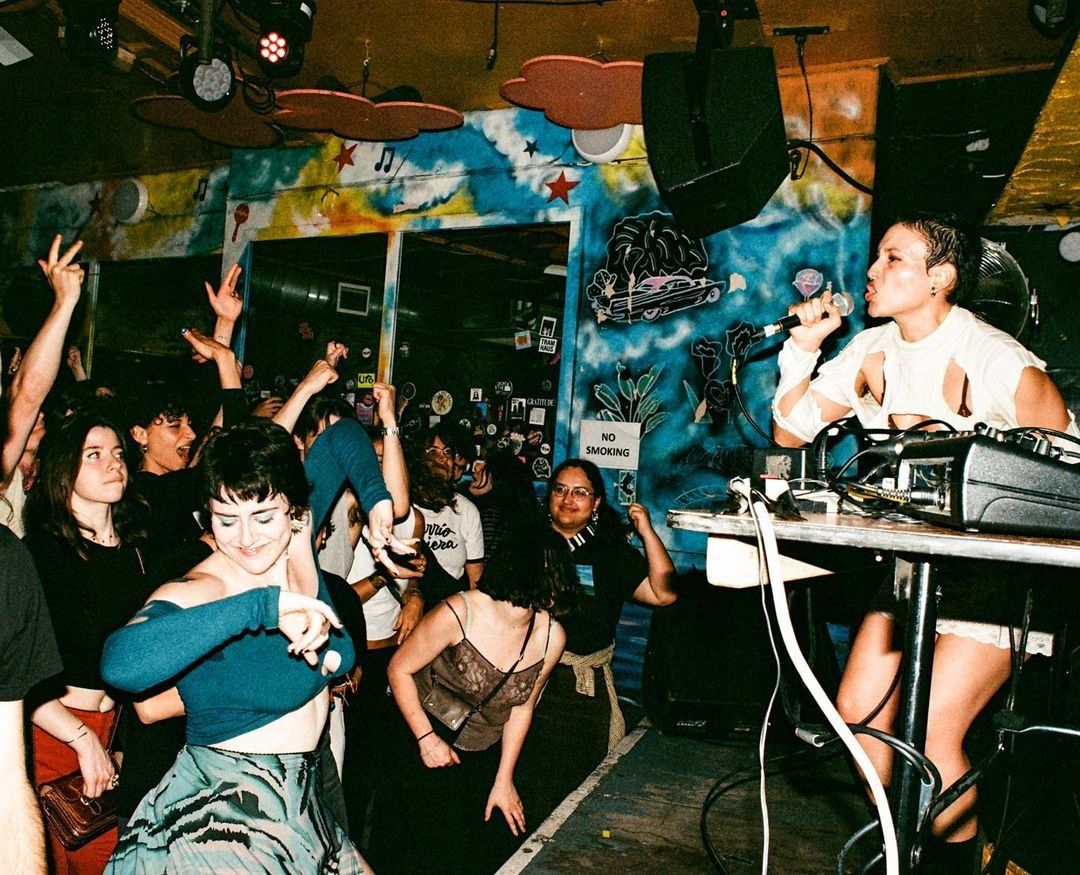
Live music is still one of the most direct ways to earn money as an independent artist. Whether it’s pub gigs, support slots, festival sets, or your own headline shows, every performance is an opportunity to earn and to convert new fans into superfans.
Make sure fans can actually find and buy tickets to your shows. This sounds obvious, but a surprising number of artists bury their gig listings three clicks deep on a website that hasn’t been updated in months. Your ticket links should be front and centre wherever your fans are.
Direct fan support
Patreon, Ko-fi, Buy Me a Coffee, or even a simple PayPal tip jar. Direct fan support lets your most committed listeners contribute to your career on their own terms.
The key to making this work is offering something in return. Exclusive demos, early access to new tracks, behind-the-scenes content, or even just a monthly voice note update. It doesn’t need to be elaborate. It needs to feel personal.
Owning your royalties
This one’s less glamorous but potentially the most impactful long-term. Many independent artists leave money on the table because they’re not collecting all the royalties they’re owed. Mechanical royalties, performance royalties, sync fees, neighbouring rights. The system is complicated, and that complexity works against you if you’re not paying attention.
Make sure you’re registered with PRS for Music (or your country’s equivalent), and consider tools like Mogul that are built specifically to help independent artists track and collect every penny.
Turning Fans Into Superfans
You’ve got the income streams mapped out. Now the question is: how do you actually get fans to spend?
Exclusivity drives conversion
People value what feels scarce or special. This is true in every industry, and music is no different. Limited-edition vinyl runs, early access to tickets, members-only content, private listening parties. These aren’t gimmicks. They’re signals to your fans that there’s a deeper level of connection available to them.
You don’t need to gate everything. But you do need a clear reason for fans to move from “I like this artist” to “I support this artist.”
Direct links to merch, tickets, and fan experiences
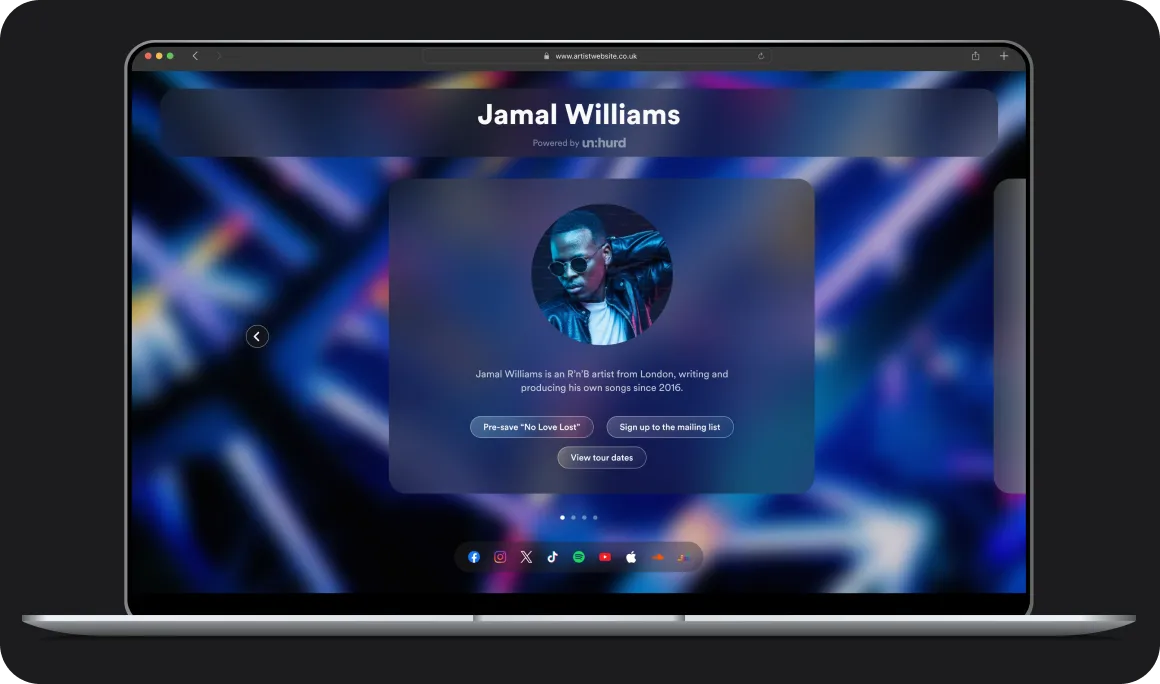
Make it stupidly easy for fans to find everything you’re offering. One of the biggest leaks in an independent artist’s funnel is friction. A fan hears your track, wants to see you live, but can’t find your gig dates. Or they’d buy your vinyl but don’t know it exists.
Tools like un:hurd’s FanHub and FeatureFM solve this by giving you a single link that houses everything: your music, merch, tickets, social links, and more. Think of it as your shopfront. Every fan who clicks through should land somewhere that makes it easy to go deeper.
Engaging between releases (not just on release day)
The biggest mistake independent artists make with monetisation is only showing up when they want something. If the only time you post is to say “new single out now,” your audience will tune out.
Superfans are built in the gaps between releases. Share your process. Post studio clips. Talk about what inspired a track. Run a poll about your next single artwork. Reply to comments. The goal is to make fans feel like they’re part of your journey, not just spectators.
The Release Cycle: Your Monetisation Engine
Why every release is a monetisation opportunity
A new release isn’t just a creative milestone. It’s a commercial one. Every single, EP, or album is a chance to activate your existing fans, reach new listeners, and drive revenue across every income stream you’ve built.
But only if you plan for it. Dropping a track and hoping for the best isn’t a strategy. A structured release cycle is.
How a release cycle brings it all together
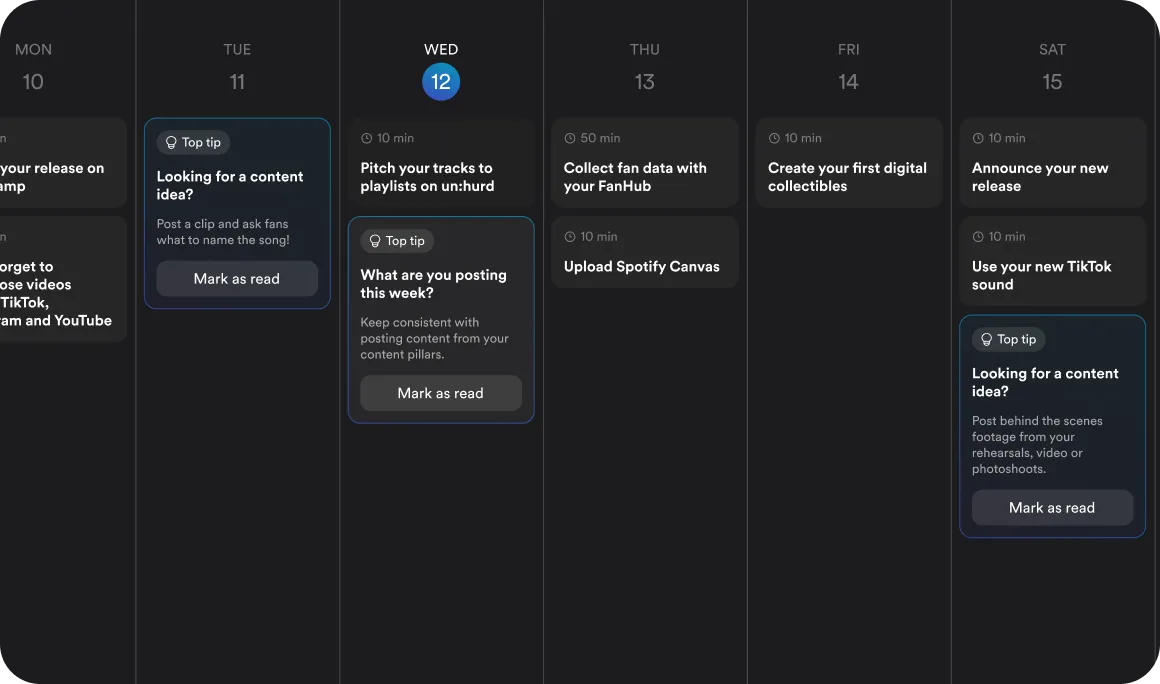
A release cycle is a repeatable framework that covers everything from pre-release through to post-release promotion. It helps you coordinate your playlist pitching, social content, email outreach, merch drops, and fan engagement around a single moment of peak attention.
Here’s what that looks like in practice:
Pre-release (4-6 weeks out)
Pitch your current catalog to playlists to drive Spotify engagement, tease the track on socials, set up your FanHub with pre-save links and merch, notify your subscribers and email list.
Release week
Push the track everywhere. Share behind-the-scenes content. Go live. Make sure your ticket links and merch are visible. This is when attention peaks, so every monetisation touchpoint needs to be active.
Post-release (2-4 weeks after)
Keep the momentum going. Share fan reactions, user-generated content, playlist adds, and stream milestones. Retarget fans who engaged during release week with merch or ticket offers.
un:hurd’s Release Cycles give you a step-by-step task list for this entire process, so you’re not trying to remember everything yourself. It covers promotion, monetisation, and fan engagement in one place.
Building momentum across multiple releases
One release won’t change your life. But a sequence of well-executed releases, each one slightly bigger than the last, absolutely can.
Every release cycle should build on the previous one. Your email list grows. Your playlist placements improve. Your superfan base gets deeper. Your merch sales increase. Over three, four, five releases, the compound effect is real.
This is how independent artists go from “I made £30 from my first vinyl sale” to “I’m earning enough to drop a day at work.” It’s not magic. It’s consistency, structure, and treating every release as a monetisation opportunity.
What Does “Making a Living” Actually Look Like?
Doing the maths on your day job
Let’s be real for a second. “Making a living from music” doesn’t mean the same thing for everyone. For some artists, it means going fully independent. For others, it means earning enough to go part-time and spend more hours on music.
Both are valid. Both are achievable. But you need to know your number.
If your essential monthly outgoings are £1,500, and you can earn £500 from a combination of streaming royalties, £300 from merch, £400 from gigs, and £200 from Patreon subscribers, that’s £1,400. You’re nearly there. One more good month of gigs or a vinyl drop around a release, and you’ve hit it.
The point isn’t to wait until everything is perfectly in place. It’s to track your progress, celebrate the milestones, and keep building.
A realistic timeline for scaling back
Nobody can tell you exactly how long this will take. It depends on your genre, your audience, your location, how often you release, and how much time you can invest.
But here’s a rough framework based on what we see from independent artists:
Months 1-6
Focus on building. Set up your income streams, start your release cycle, grow your email list and social following. Revenue will be minimal. That’s normal.
Months 6-12
Your first milestones start landing. First merch sale, first paid gig, first subscriber. You’re learning what works for your audience.
Year 1-2
Revenue becomes more consistent. You’re running release cycles regularly, your superfan base is growing, and income streams are starting to compound.
Year 2-3
This is where scaling back your day job becomes realistic for many artists. Not all, but many. The key is that you’ve built systems (release cycles, fan engagement, merch) that generate revenue repeatedly, not just once.
The artists who get there fastest aren’t necessarily the most talented. They’re the most consistent.
Your next release is your next monetisation opportunity. Set up a Release Cycle inside un:hurd to map out your full promotion plan, and use FanHub to make sure every fan can find your merch, tickets, and music in one place. It’s free to start.