Spotify Popularity Index Explained (And How to Grow It)
The Spotify popularity index is a hidden 0 to 100 score that shapes your reach. Here's what it means, what score to aim for, and how to grow it for real.
Key Takeaways
- The Spotify popularity index is a hidden 0 to 100 score Spotify assigns to every track and every artist, based mainly on how many streams you're getting and how recent those streams are.
- You can't see it in Spotify for Artists. It's only available through Spotify's API, or free tools and tracking platforms that pull the number for you.
- Spotify has never published any score thresholds for Release Radar or Discover Weekly. The specific numbers you'll see quoted online are community guesses, not official figures.
- Most independent artists sit somewhere between 15 and 45, and that's completely normal. A score of 30 with an audience that's growing is a healthy sign, not a failing grade.
- You can't game the score directly. It goes up when real people stream and save your music consistently, so it's best treated as a health check, not a target to chase.
The Spotify popularity index is a hidden score between 0 and 100 that Spotify gives to every track and artist on the platform, based mostly on how many streams you're getting and how recently you got them. You won't find it in your Spotify for Artists dashboard, but it quietly shapes how often your music shows up in search, algorithmic playlists like Discover Weekly and Release Radar, and recommendations to new listeners.
If you've just checked yours through a free tool and felt your stomach drop at the number, take a breath. The score matters, but not in the way most of the internet tells you. A lot of the advice out there is either wrong or quietly nudging you towards buying streams to inflate it, which is the fastest way to do real damage to your profile.
Here's what the popularity index actually is, why it matters for independent artists, what score you should realistically aim for, and how to grow it with real listeners rather than tricks.
What is the Spotify popularity index?
The Spotify popularity index (also called the Spotify popularity score) is an internal metric Spotify uses to rank how much current traction a track or artist has, relative to everything else on the platform.
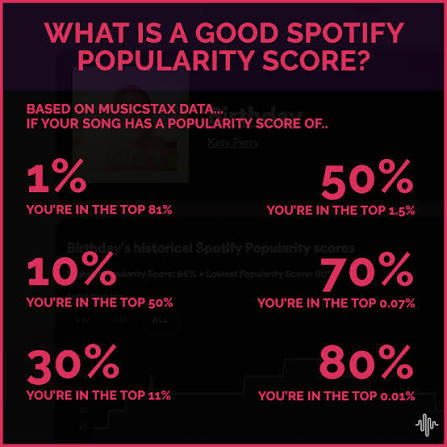
It runs from 0 to 100. It's relative, not absolute, so a score of 50 doesn't mean you're "half popular". It means your current streaming activity puts you roughly in the middle of the entire platform, which includes every global superstar. That's why most independent artists sit far lower than they expect, and why that's nothing to panic about.
The score is dynamic. It moves up and down as your streams rise and fall, and it updates every few days rather than in real time. So a spike in streams today might take a couple of days to show up in the number.
Track popularity vs artist popularity
There are actually two scores, and this trips a lot of people up.
Each individual track has its own popularity score based on its own performance. Your artist profile also has a score, but that one is worked out from your tracks. Spotify has confirmed the direction only goes one way: artist popularity is derived from track popularity, not the other way around.
In practice, a new single that's climbing fast will lift your overall artist score. And a healthier artist score makes Spotify more likely to surface your other tracks too. It's worth watching your track scores closely during a release, because they're the earliest signal that something's working.
Where to check your Spotify popularity score
Your Spotify for Artists dashboard shows you monthly listeners, streams, followers and where your listeners are, but it doesn't show the popularity score directly.
The raw number lives in Spotify's Web API. You don't need to be a developer to see it though. Free tools like Musicstax Metrics and Chosic let you paste in an artist or track link and see the current score, and Musicstax will even show you how it's moved over time.
If you'd rather track it alongside the rest of your data, tracking platforms pull it in for you. That's part of why we partnered with Songstats, so you can watch your momentum in one place instead of jumping between spreadsheets and API tools.
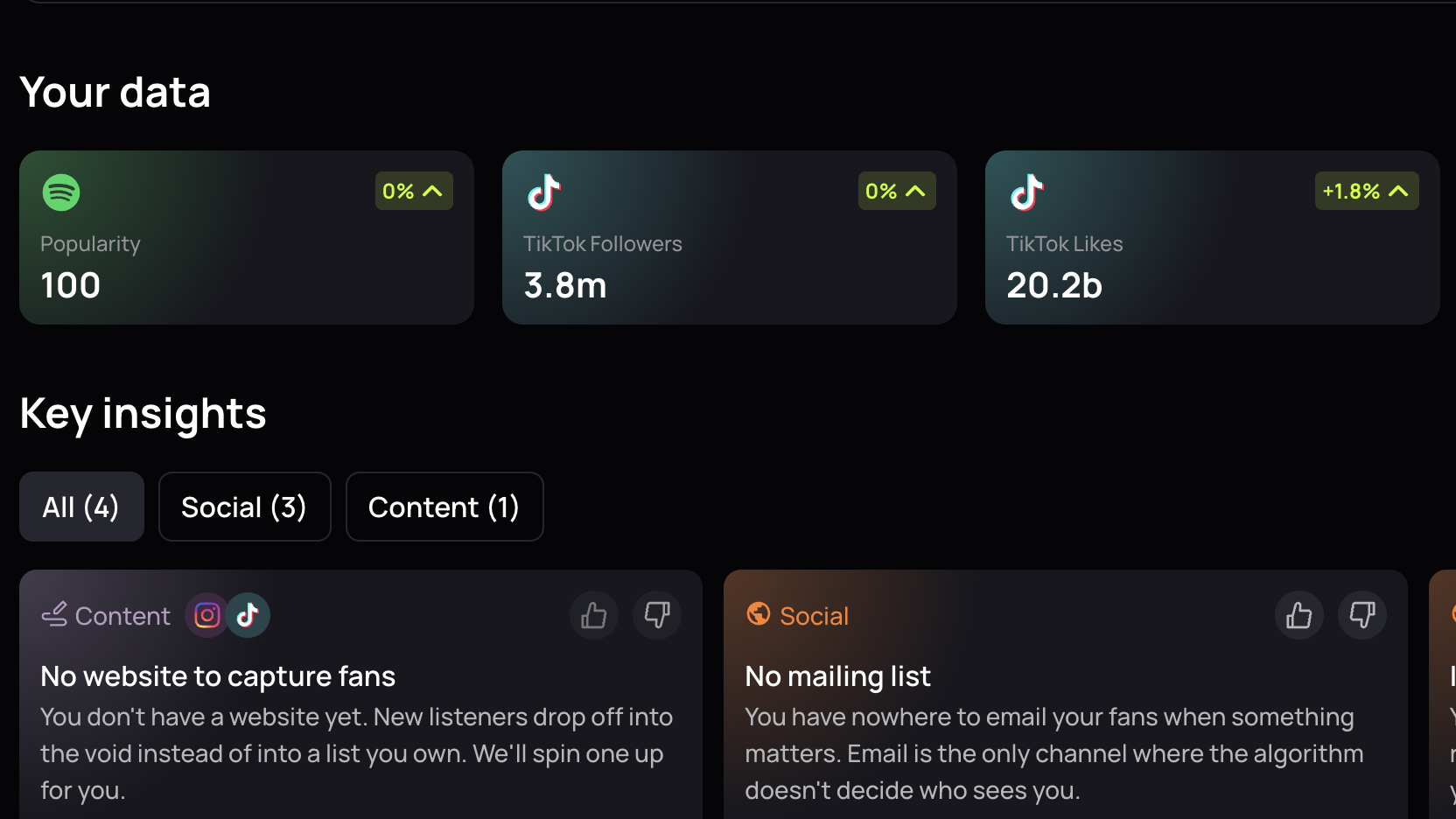
Easiest of all, you can see your popularity score right inside the un:hurd app, sitting alongside the rest of your Spotify stats, so there's no digging through separate tools at all. You get 7 days free to try it out, so you can check where you stand before committing to anything.
How the Spotify popularity score is calculated
Spotify has never published the exact formula. What they have said, in their own documentation, is that the score is based mostly on the total number of plays a track has had and how recent those plays are.
Two things follow from that.
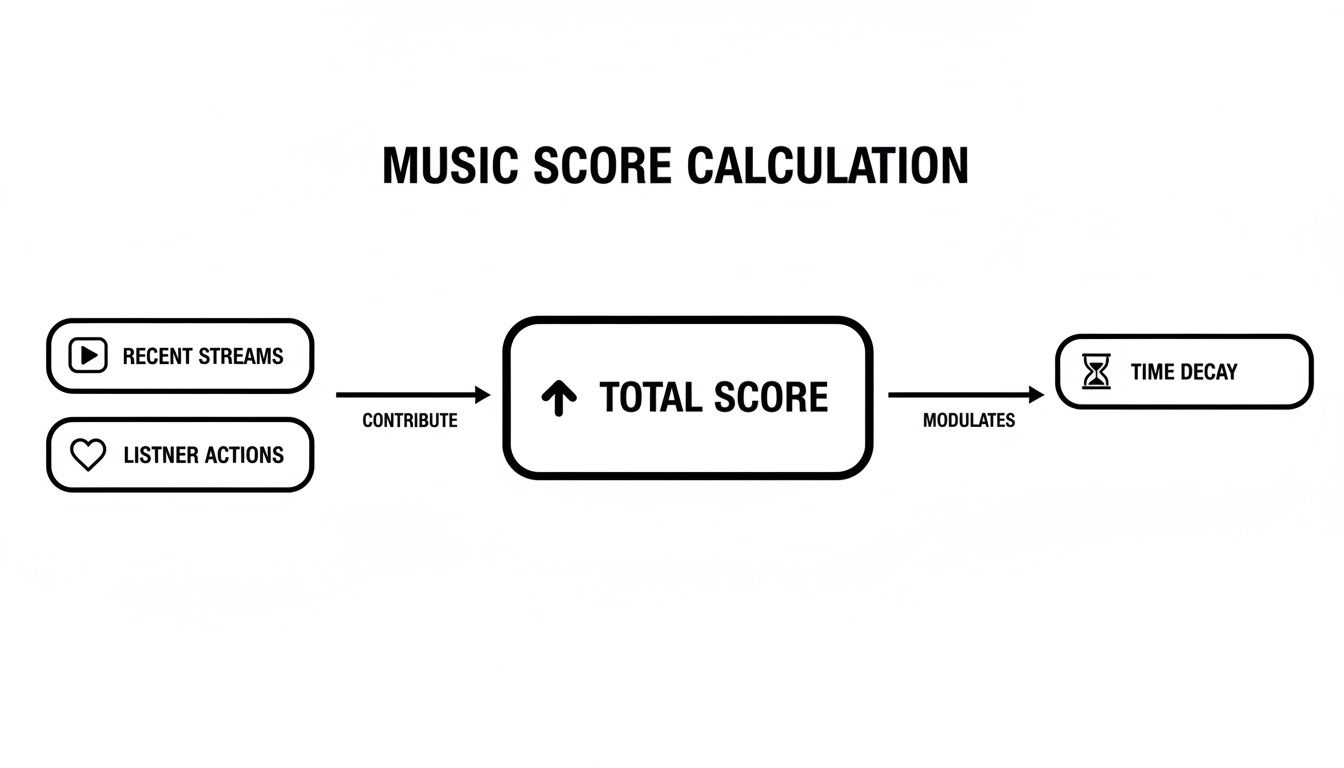
The first is recency. Recent streams count for far more than old ones. A track that pulled a million streams in 2010 but gets nothing today will have a low score, while a track from last month with strong streams will score highly. Your past success doesn't keep the number up on its own.
The second is momentum. Because recent activity is weighted so heavily, a track needs consistent, current streams, saves and repeat listens to hold a strong score. The moment the streams slow down, the score starts to drift back down too.
You'll see plenty of articles claim that saves, skips and completion rates are direct inputs to the formula. That part isn't confirmed by Spotify, so treat it as informed guesswork. What we can say confidently is that saves, low skip rates and repeat listens all drive more streams and more algorithmic exposure, and that's what moves the number. So they matter enormously, just indirectly.
Why the popularity index matters for independent artists
It's tempting to write the score off as a vanity number you can't even see. It's more useful than that, because it feeds directly into the systems that decide who hears your music.
Algorithmic playlists. Discover Weekly, Release Radar and Radio all factor in popularity when choosing which tracks to surface. A track with a rising score is more likely to get pushed to listeners who don't already follow you.
Search ranking. Spotify has confirmed that popularity affects search results. When two artists have similar names, the one with more current traction tends to rank higher, so a stronger score makes you easier to find.
Editorial consideration. Editorial curators make their own calls, but a track with clear upward momentum is more likely to catch their eye than one that's flat or fading. The score is a quick read on whether something's actually connecting.
Third-party filtering. Plenty of curators, blogs and booking agents pull your popularity score through the API as a fast way to size you up before they even press play. A very low score can quietly rule you out of consideration.
So it's less a trophy and more a real-time read on your music's health, and a signal others use to judge you.
What Spotify popularity score do you actually need?
This is the question everyone asks, and it's where most articles let you down.
You'll see confident claims that you need a score of 20 to land on Release Radar for non-followers, or 30 to get pushed to Discover Weekly. Those numbers get repeated everywhere as if they're official.
They aren't. Spotify has never published any popularity thresholds for Release Radar, Discover Weekly, or any other algorithmic playlist. Every specific number you'll see is reverse-engineered guesswork from people watching their own stats. Some of it might be roughly right, but none of it is confirmed, and chasing a made-up target is a poor way to plan a release.
Here's a more honest way to read the ranges.
A score of 0 usually just means a track is brand new with no streams yet, or an older one that's gone quiet. A newly released track starts at 0 no matter how many pre-saves you had, because the score needs actual streams to calculate.
Most independent artists live somewhere in the 15 to 45 range. If you're a growing artist sitting around 30, that's a genuinely healthy place to be.
The 50 and up range generally reflects a solid, active fanbase with consistent streams and some playlist support behind it.
Rather than fixating on hitting a specific number, watch the direction of travel. A track climbing steadily through a release window is telling you something is working. That's far more useful than any magic threshold, most of which don't exist anyway.
How to increase your Spotify popularity the right way
Because the score is built from real, recent streams, there's no shortcut that doesn't involve real people listening. The temptation to buy streams to force the number up is exactly the trap to avoid. It's easy for Spotify to detect, it can get your tracks pulled, and it wrecks the listener data everything else depends on. We've written before about why artificial streams do more harm than good, and it applies double here.
The actual job is getting your music in front of people who'll genuinely listen, keep listening, and come back. Here's how to do that, and where un:hurd fits.
Drive real streams from the right listeners
The score follows streams, so your first job is getting concentrated, real streams around a release, especially in the first few days when the score is most responsive.
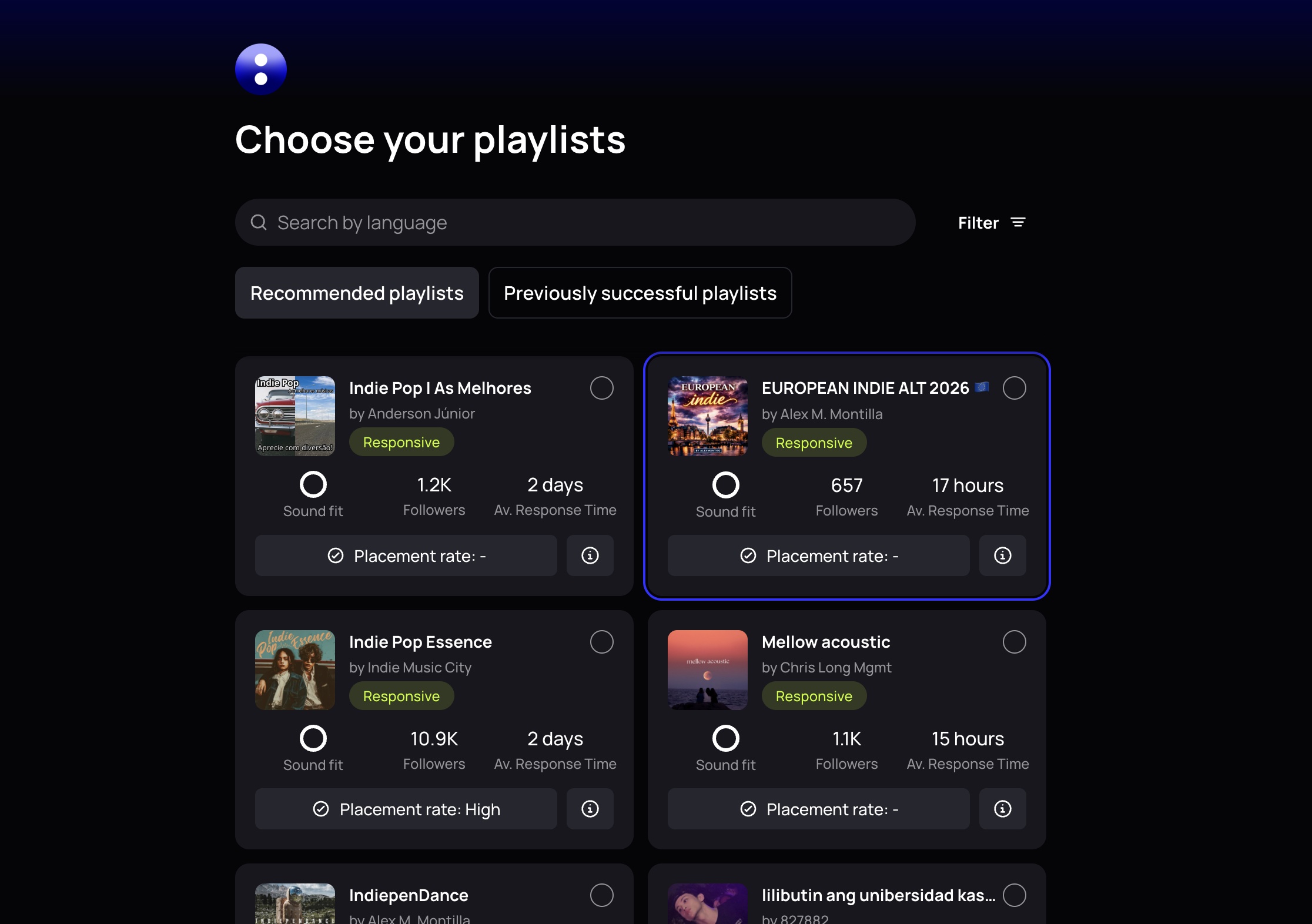
That's where matched playlist pitching earns its place. un:hurd matches you to curators based on listener overlap with artists like you, so your track lands in front of people who are actually likely to press play and save it, rather than a random blast of submissions. You can see how the pitching works here, and it's matched to your sound, never pay-to-play placement.
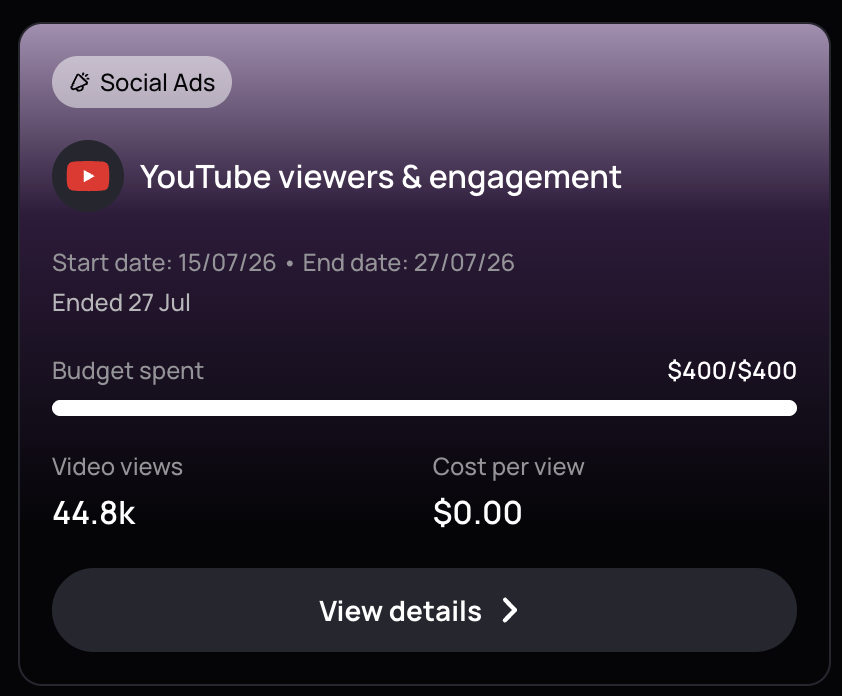
Paid ads add fuel to the same fire. Running targeted ads to the right audience drives streams from listeners who fit your music, and un:hurd can run those for you inside the same release plan, so you're not juggling ad managers on top of everything else.
Stay consistent instead of releasing and vanishing
Recency weighting means you can't set a track live and walk away. The score fades as the streams do, so consistency is what keeps it up over time.
The most reliable way to stay consistent is to stop winging each release. un:hurd's Release Cycles give you a full plan for every drop, so you always know what to do and when, and you keep momentum going without burning out. Releasing on a steady rhythm also nudges listeners back into your older catalogue, which lifts those track scores too.
Then use your data to sharpen each cycle. The Insights feature shows you what's actually working, which tracks are pulling saves, where your listeners are, what's converting, so you can do more of it next time instead of guessing.
Warm up your whole catalogue, not just the new single
Because your artist score is worked out from all your tracks with recent activity weighted highest, keeping older songs alive genuinely helps.
Pitching isn't only for brand-new singles. Getting a strong older track back onto relevant playlists keeps it pulling recent streams, which supports both its own score and your overall artist score. It's worth warming up your catalogue before a release too, so a new drop lands on a profile that already has momentum rather than a cold start.
The engagement metrics that matter more than the number
If you only track one thing, don't make it the popularity score. Track the signals that create it.
Saves are the big one. A stream is a passerby. A save is a listener choosing to keep your song, and those are the people who come back and stream you again, which is exactly what keeps your score healthy.
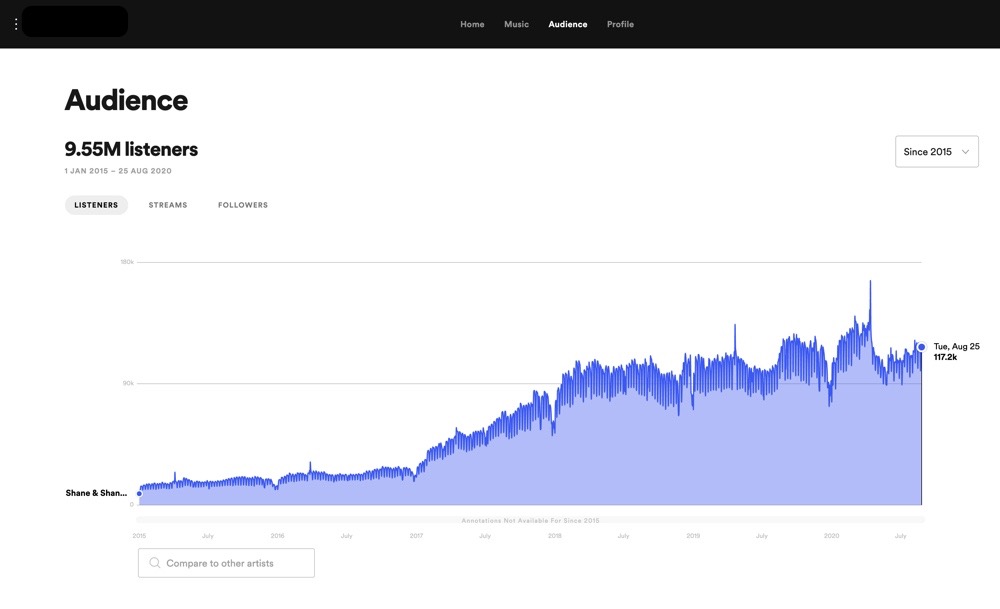
Monthly listeners is the real 28-day metric to watch. It counts the unique people who've heard your music in a rolling 28-day window, and it moves for the same reasons the popularity score does. When it climbs, your score almost always climbs with it.
Follower growth matters too, because followers get your new releases on their Release Radar automatically, giving every drop a warmer start.
These are the numbers you can actually influence, and they're a better use of your attention than a hidden score you can only glance at through a third-party tool. If you want to go deeper on this, we've covered measuring your success beyond streams in more detail.
Quick tip: check your score three times around a release
You don't need to obsess over the number daily, but it's a useful pulse check at three moments.
Check it on release day (it'll likely be low or 0, that's fine), then again around 3 to 5 days in when the score has had time to catch up to your early streams, then again a couple of weeks later. Watching the direction across those three points tells you far more than any single reading. If it's climbing, your promo is landing. If it's flat, that's your cue to put more behind it while the track is still fresh.
Growing your popularity starts with your next release
Your popularity index is a reflection of one thing: real people streaming and saving your music, consistently, right now. There's no trick that fakes that convincingly, and every shortcut that promises to costs you more than it gives.
The artists whose scores climb are the ones treating each release as a plan rather than a gamble. If you've got a track coming up, set up a Release Cycle inside un:hurd to map out the pitching, ads and timing that actually drive the real streams your score is built on. It's free to start.