How to Sell Merch as a Musician With No Upfront Cost
Sell vinyl, CDs and merch as an independent artist with zero upfront cost. Compare elasticStage, Amazon Merch on Demand and Hootenanny.
Key Takeaways
- You can sell vinyl, CDs and merch as an independent artist without paying anything upfront, using on-demand platforms that only produce and ship an item once a fan has actually bought it
- elasticStage presses vinyl and CDs on demand with no minimum order, ships to over 90 countries, and pays you for every sale from the first one
- Amazon Merch on Demand handles apparel design, printing and fulfilment through Amazon's own logistics, so you never hold stock
- Hootenanny bundles discounted print-on-demand merch inside a fanclub platform built for direct fan monetisation, which is a different model to a straightforward merch printer
- Fan Hub doesn't have a built-in merch section yet, but a custom link to your on-demand store sits right alongside your release, event and video links, so fans still find everything in one place
Why On-Demand Merch Removes the Upfront Cost Problem
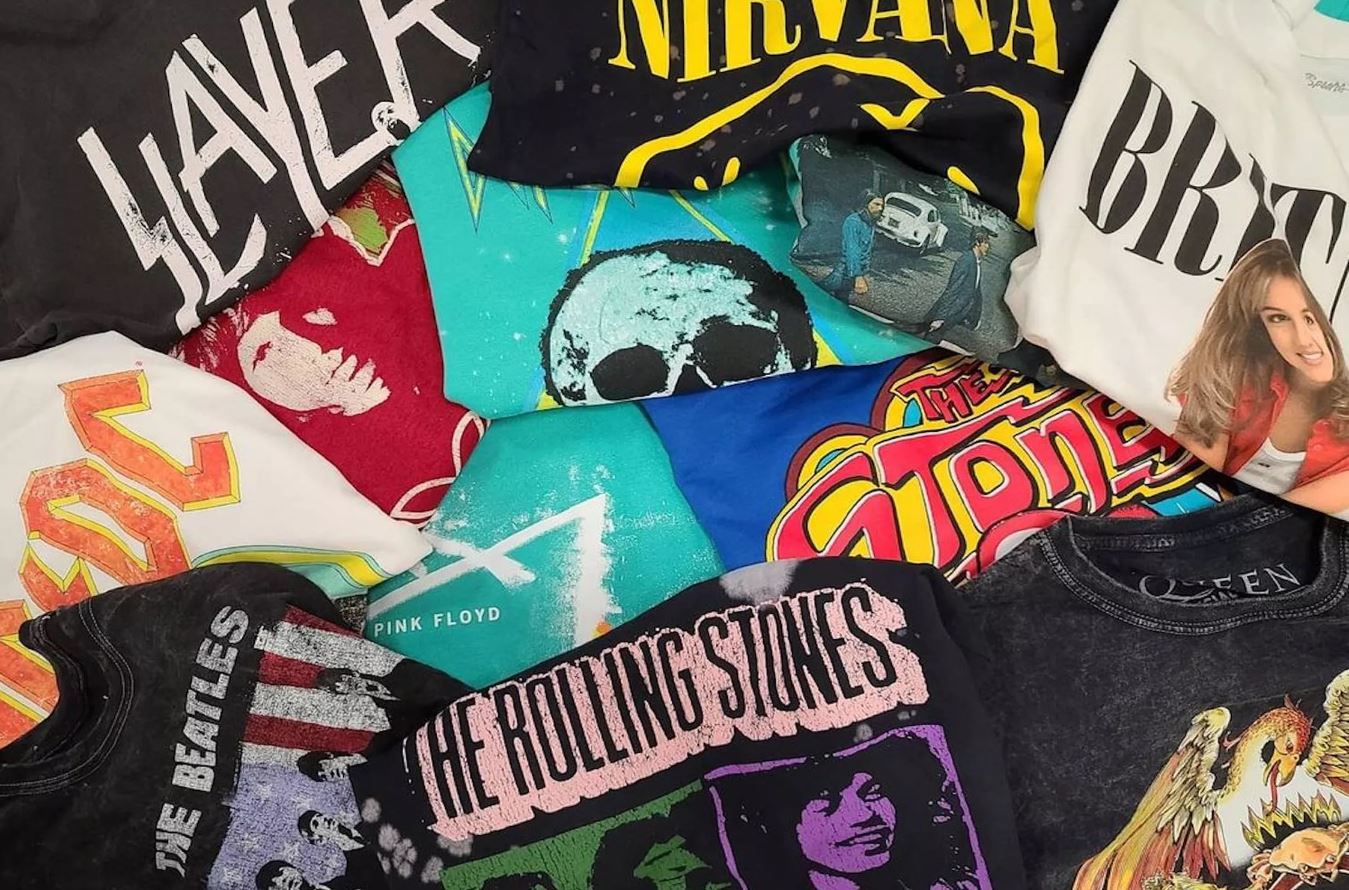
You can sell merch and vinyl as an independent artist without spending a penny upfront. On-demand platforms only produce an item once a fan has paid for it, so there's no minimum order, no boxes of unsold stock taking over your spare room, and no printing bill to cover before you've made a single sale.
This used to be a genuine barrier for independent artists. Pressing vinyl traditionally meant minimum orders of 300 or more units and thousands of pounds paid upfront, long before you knew if anyone would actually buy it. Ordering merch worked the same way. You'd guess at sizes and quantities, pay for the full run, and hope.
Vinyl sales in the UK have grown year on year for over a decade, and fans genuinely want something tangible from the artists they support. The demand is there. The problem was never whether fans wanted merch, it was that artists had to gamble money they didn't have to find out.
It's also one of the clearest ways superfans show up financially, something we cover in more depth in our guide to monetising your music career.
On-demand printing flips that. You upload your designs or your music, the platform handles manufacturing and shipping only when an order comes in, and you get paid without ever fronting the cost. Here's how to actually set it up, which platform to use for what, and how to bring it all together in one place for your fans.
Vinyl and CDs on Demand: elasticStage

If you want to sell vinyl without the traditional cost barrier, elasticStage is built specifically for this. You upload your music and artwork, and elasticStage manufactures each vinyl record or CD individually, only when a fan orders it.
There's no minimum order and no upfront cost to you at all. elasticStage ships to more than 90 countries, handling production, packaging and delivery, and you're paid a share of every sale starting with the first one.
If you want physical copies for yourself, for gigs or to sell in person, you can order "creator copies" in bulk at a discount instead of paying full retail. Just bear in mind you don't earn a royalty on those units, since you're already getting the discount.
This is worth setting up alongside a release rather than as an afterthought. If you've got a single or EP coming out, having vinyl live on elasticStage from day one means fans who want a physical copy don't have to wait for you to scrape together a traditional pressing run.
Who this suits
Artists who want real vinyl in fans' hands without gambling on a 300-unit minimum. It's also useful if you're not sure how much demand there is yet. You can find out with zero financial risk before ever considering a traditional pressing.
Apparel on Demand: Amazon Merch on Demand
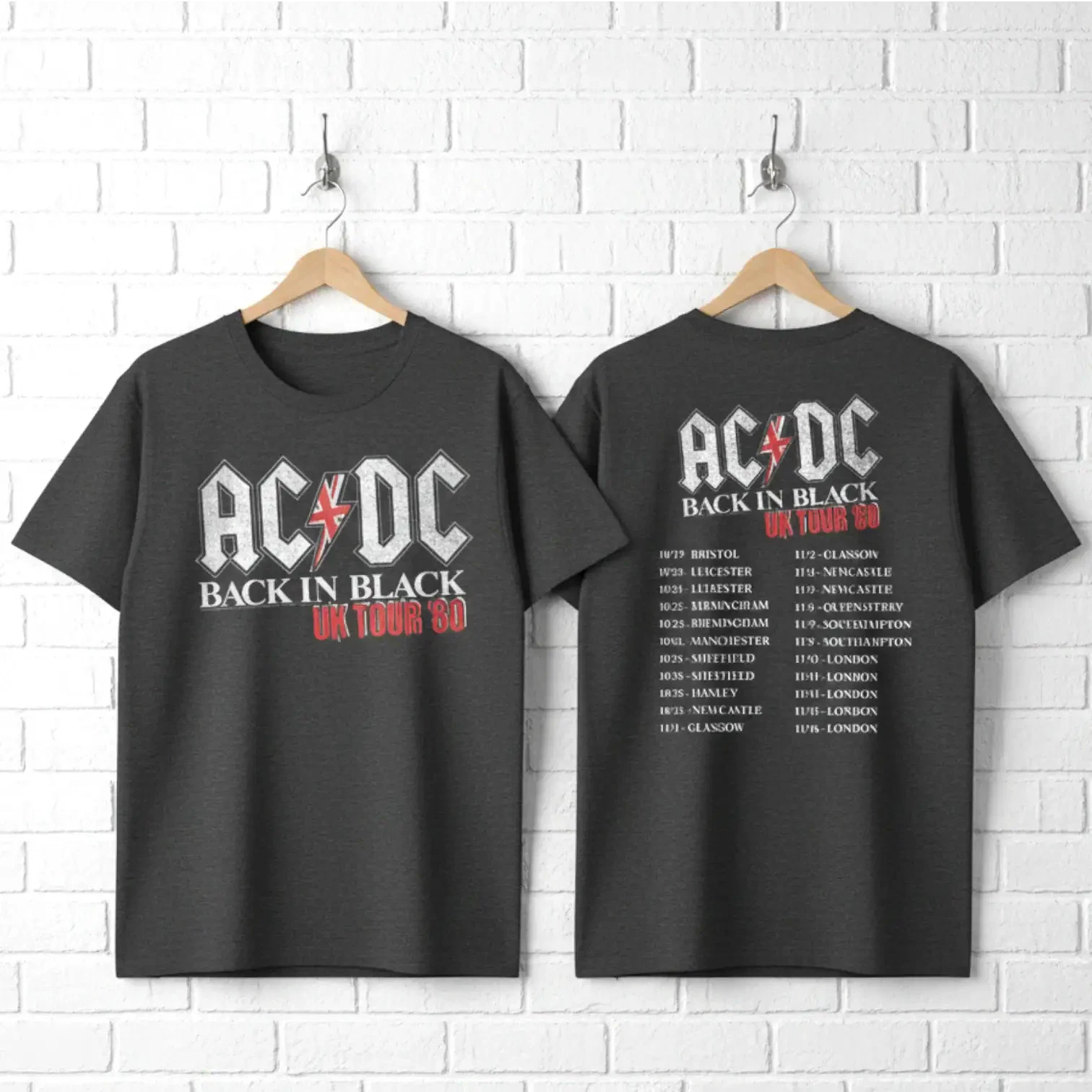
For t-shirts, hoodies and general apparel, Amazon Merch on Demand works on the same on-demand principle. You upload your designs, choose your products, and Amazon prints and ships each item only when someone buys it. You never hold stock, and there's no upfront printing cost.
The main thing to know going in is that Amazon Merch on Demand is approval based, so it's not always instant access. It's worth applying early, ideally well before you plan to launch, so you're not waiting on approval right when you want to go live.
What you get in return is Amazon's own reach and fulfilment network behind your merch, which matters more than it might seem. A meaningful share of shopping journeys start on Amazon, and having your merch discoverable there (alongside your usual Fan Hub link) gives you a second route to fans who might never have found your own store.
Who this suits
Artists who want to focus purely on design and let a huge, reliable logistics operation handle the rest. It's a solid option if you'd rather not manage your own storefront for apparel specifically.
Merch as Part of a Fanclub: Hootenanny
Hootenanny works differently to the two platforms above, and it’s worth understanding that difference before you pick one. It’s not primarily a merch printer, it’s a Fanclub platform.
If your priority is building a paid community around your music, where merch sits next to memberships, exclusive content and direct fan tipping, Hootenanny bundles all of that together rather than treating merch as a standalone product line.
Who this suits
Artists who want to build recurring, direct fan revenue rather than one-off merch sales, with print-on-demand as one part of a bigger fan monetisation strategy rather than the whole plan.
Other On-Demand Routes Worth Knowing
elasticStage, Amazon Merch on Demand and Hootenanny cover vinyl, apparel and fanclub-bundled merch, but they're not the only options. Printful and Printify are broader print-on-demand services that aren't music specific, but they integrate with a wide range of storefronts and offer hundreds of product types beyond clothing, from posters to tote bags to stickers.
These are worth a look once you've tested the water with your first drop and want to expand into more product types without adding upfront risk at any stage.
Bringing It All Together on Your Fan Hub

Here's the part that matters most for your fans. It doesn't matter which platform is fulfilling an order behind the scenes. What matters is that your fans have one place to find everything, your music, your events, and your merch, without hunting across different links.
Fan Hub doesn't have a dedicated merch section right now. What it does have is community sections for collecting fan data, links to your music releases, links to your event dates, and a link to your YouTube videos.
The way to get merch in front of fans today is to add a custom link that points straight to your elasticStage store, your Amazon Merch on Demand page, or your Hootenanny fanclub. It still does the job. A custom link sitting alongside your release and event links means fans don't need to go hunting on a different platform to find your merch, they're one click away from the same place they already go to find your music.
If you're working through a Release Cycle right now, this is exactly what the "Open a merch section on your Fan Hub" step is asking you to do, even though it's a custom link rather than a built-in section for the time being. It's not a nice-to-have extra. It's the step that turns fans who like your music into fans who spend money supporting it, and it costs you nothing to set up.
Even basic merch (a shirt, a tote, a vinyl pressing of your latest single) shifts when there's an audience ready to buy it. You don't need a full product line to start. You need one item, listed somewhere your fans already are.
If you're still building that initial audience, our guide to finding your first 100 fans is the place to start before you worry about merch at all.
A Practical Way to Start
Try this on your next release: pick one item, not five. A vinyl pressing of your new single through elasticStage, or a single t-shirt design through Amazon Merch on Demand, listed on your Fan Hub from release day.
Don't try to launch a full merch range on day one. Watch what your fans actually respond to first, then expand from there once you know what's worth adding next.
Add Your Merch Link to Your Fan Hub Now
If you haven't added a link to your on-demand store on your Fan Hub yet, this is the moment to do it. Head to your Fan Hub and add a custom link to your merch, whether that's vinyl through elasticStage, apparel through Amazon Merch on Demand, or a fanclub bundle through Hootenanny. It's free to set up, and there's no upfront cost no matter which route you choose.