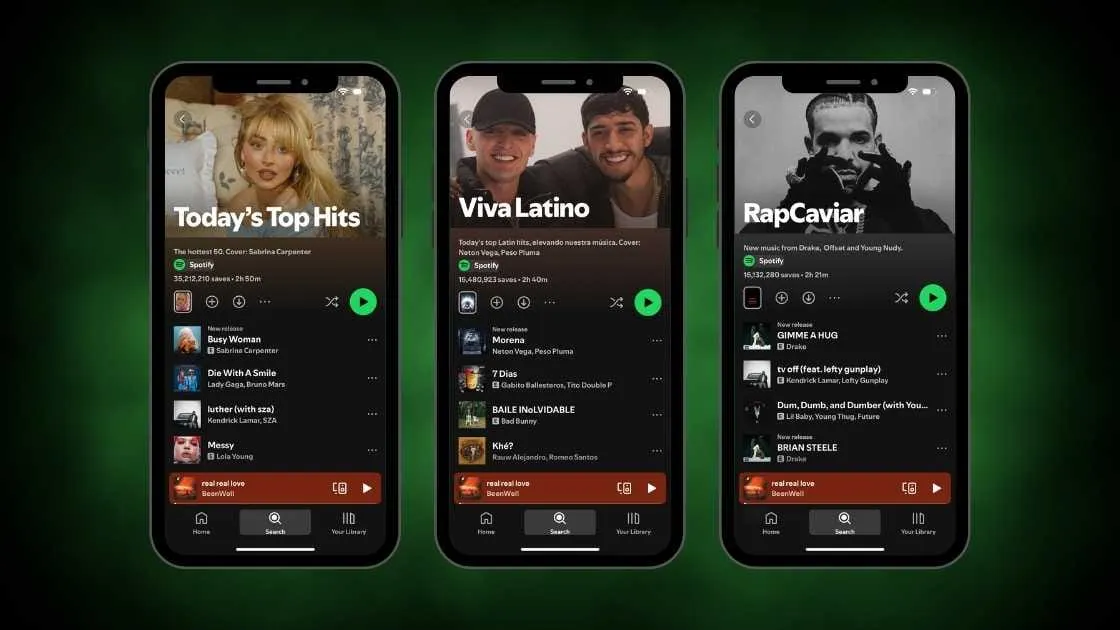
Best Playlist Pitching Services for Independent Artists
Compare the best playlist pitching services for independent artists, including un:hurd, SubmitHub, Groover, Playlist Push, and SoundCampaign.
.png)
TL;DR
The best playlist pitching service depends on how much control, research time, and campaign support you want. un:hurd music is the strongest fit for guided matching and broader release tools. SubmitHub and Groover offer more control over individual recipients, while Playlist Push and SoundCampaign manage curator matching for you. No legitimate service can guarantee placements or streams.
- un:hurd starts at £12.99 monthly and suits busy artists who want matched pitching plus broader promotion tools.
- SubmitHub offers free credits, while paid credits cost roughly $1. It suits artists who want low-cost DIY testing.
- Groover charges €2 per contact and suits artists seeking written feedback and curator choice.
- Playlist Push starts at $280 and suits artists with larger budgets who prefer managed targeting.
- SoundCampaign starts at $80 and suits artists who want automated curator matching with control over campaign spend.
- GreaseRelease reportedly charges $17 per submission, but the available pricing and product claims come from one comparison blog. Verify its current terms and curator network before paying.
What playlist pitching services actually do
Playlist pitching services submit music to independent curators who manage user-generated playlists. These services cannot submit tracks to Spotify’s editorial team on an artist’s behalf, and payment cannot buy placement on official Spotify playlists. Spotify provides its own free editorial pitch tool through Spotify for Artists, and promotion companies cannot legitimately claim an official Spotify partnership for playlist placement according to this category overview.
Managed services choose suitable curators and run the campaign for you. DIY marketplaces such as SubmitHub and Groover let you select curators and spend credits on individual reviews. In either model, a legitimate fee pays for consideration or feedback rather than guaranteed placement. Curators can reject a track when its genre, mood, or audience does not suit their playlist.
Compare services by looking first at their pricing model and curator quality. Check whether you can inspect curator profiles, playlist links, and follower counts. Genre matching affects acceptance because broad submission blasts often reach playlists with little connection to the track.
Campaign control and reporting also shape the value of a service. Useful reports identify placements and help you compare listener geography, saves, and engagement during and after the campaign. Engagement measures such as repeat listens and saves reveal more than raw stream totals. Realistic services explain that curator responses, placements, and stream volume vary by track and campaign.
Comparison table
un:hurd music
Best for: un:hurd music suits independent artists who want guided playlist pitching without spending hours researching curators. Its matching feature analyzes a track and recommends playlists based on musical fit and listener overlap. You can then pitch through the platform rather than contact each curator separately. un:hurd says its network includes more than 300 hand-vetted curators, though it does not publish its vetting criteria or genre coverage.
Pros The matching system reduces the manual work involved in finding suitable playlists. Placement tracking lets you monitor accepted pitches, while the wider Pro plan includes release planning, advertising, content creation, and fan data tools. Those additional features suit artists who want to manage playlist pitching and other release promotion in one platform. Curators make the final placement decision, and un:hurd explicitly states that payment does not guarantee acceptance.
Cons un:hurd focuses on guided matching, so artists who prefer to research and select every curator themselves may want the added control of a DIY marketplace. Public product pages do not currently detail average response times or typical placement rates, which makes individual campaign results harder to benchmark in advance. Results still depend on the track, audience fit, and each curator’s decision.
Pricing un:hurd Pro costs £12.99 per month and includes one monthly pitch worth 10 credits. The annual plan costs £69.99, equivalent to £5.83 per month, and includes 12 pitches through 120 credits. Artists can buy extra pitches in the app starting at £5 each. Both plans include a seven-day free trial without a credit card. At the listed prices, the annual plan costs less than six months of separate monthly payments, but its value still depends on whether you use the included credits and other Pro features.
SubmitHub
SubmitHub gives artists direct control over a large DIY marketplace. The platform includes Spotify playlist curators and other music outlets, while curator profiles show genre-specific approval rates and recent shares. SubmitHub currently reports 1.6 million users, 1,779 curators, and 48.4 million submissions on its official site. Those figures describe company-reported scale rather than likely results for one campaign.
Best for: SubmitHub suits artists who want to test curator fit at a low cost before paying for a managed campaign. You select each recipient, so careful filtering can reduce pitches to curators who rarely accept your genre.
Pros: Standard credits provide a free testing route, though they do not guarantee a response. Paid Premium credits require participating curators to listen for at least 20 seconds and decide within 48 hours to collect payment. A rejection must include a reason. SubmitHub also exposes curator activity and approval data, which gives you more information than services that choose recipients for you. The platform currently displays a 31% trailing-month approval figure, but that company-reported marketplace average should not serve as a forecast for an individual Spotify campaign.
Cons: Low-cost access requires more research and campaign management from you. Feedback quality varies, and even a well-targeted Premium pitch can receive a short or generic rejection. Historical user-reported data placed Premium approval near 12% and free-credit approval near 5%, although genre fit and feedback settings affected those figures. SubmitHub does not guarantee playlist placement.
Pricing: Standard credits are free and replenish over time. Premium credits are paid, and curators usually charge multiple credits per submission. SubmitHub’s package page has shown about $96 for 120 credits and $198 for 250 credits, but package contents vary. Check the live purchase flow before calculating your campaign cost.
Groover
Best for: Groover suits independent artists who want to choose each contact, write personalized pitches, and receive a response. Its network has a European emphasis and extends beyond Spotify curators to bloggers, radio programmers, labels, and managers. Artists seeking EU press or industry contacts may find that mix more useful than artists focused only on streaming volume, according to an independent comparison.
Pros Groover gives you direct control over who receives your music. Selected professionals must respond within seven days, and Groover returns the credits when a contact fails to reply. Written feedback can help you assess how curators interpret the track, even when they decline it. The credit model also lets you test a small contact list before increasing your spending.
Cons A guaranteed response does not guarantee detailed advice or a playlist placement. Groover leaves you to assess each contact’s genre fit, playlist size, and previous coverage before submitting. The platform also lacks post-placement analytics for streams, saves, and algorithmic activity, according to a third-party review. Selecting contacts and personalizing pitches can require more work than a managed campaign.
Pricing Each submission reportedly costs 2 Grooviz, equivalent to €2. A campaign targeting 10 to 30 contacts would therefore cost about €20 to €60. Current universal pricing was not available through the accessible first-party pages, so artists should confirm the live credit price before purchasing.
Playlist Push
Best for: Playlist Push suits artists with established promotion budgets who prefer one managed campaign over researching individual curators. You set the campaign’s targeting and budget, and Playlist Push chooses the curators. You cannot select exact playlists.
Pros Playlist Push compensates curators for reviewing tracks rather than placing them. Curators make independent decisions, so payment buys consideration and feedback without guaranteeing placement or streams. When you connect Spotify for Artists, Playlist Push provides a detailed report 30 days after the campaign ends.
Cons Playlist Push offers less campaign control than DIY marketplaces such as SubmitHub or Groover. Communication stays within the campaign, and artists cannot build a custom list of target playlists. A campaign can produce few or no placements because curators may reject tracks that do not fit their audiences.
Pricing Spotify campaigns start at $280 and average about $550. Maximum spending depends on the selected genres and available curator reach. The higher entry price makes Playlist Push better suited to established marketing budgets than small experiments.
SoundCampaign
Best for: SoundCampaign suits artists who want automated curator matching with control over campaign spend. Its pay-per-completed-review model can reduce wasted budget when curators fail to respond.
Pros SoundCampaign automatically matches songs with curators by genre and provides written feedback with real-time campaign tracking. Under its Artist Protection Program, SoundCampaign returns account credits for submissions that receive no review. You pay for consideration and feedback rather than placement, streams, or saves.
Cons Paid campaigns remain non-refundable even when a song receives no placements or fewer streams than the artist hoped for. Returned funds come as platform credits rather than cash. Independent evidence about curator quality and anti-bot safeguards remains limited. One third-party review questions playlist activity and vetting, but those comments reflect unverified opinion from a site promoting an affiliated competitor.
Pricing The official pricing estimator starts at $80. SoundCampaign adjusts the campaign cost according to genre selection and the available curator pool. A displayed $150 example estimates up to 17 curator submissions, but actual reach can vary.
GreaseRelease
GreaseRelease may offer a low-cost way to test playlist pitching, but its current product details and pricing require independent verification. According to one competitor comparison blog, an in-house A&R team reviews each track before sending accepted submissions to Spotify and YouTube curators.
Best for: Artists willing to verify the current terms of a low-cost service before submitting. Available evidence is too limited to recommend GreaseRelease as confidently as the other services in this guide.
Pros The flat fee keeps the initial cost to $17, while the reported A&R review provides feedback when GreaseRelease rejects a track. The reported policy offers a full refund if GreaseRelease provides no feedback within seven days.
Cons Artists cannot choose individual curators or target specific playlists. The platform also appears to provide less campaign data than larger music promotion platforms. The comparison blog reports a 33 percent approval rate and a curator network with more than 950,000 combined followers, but no official source or independent audit confirms those figures.
Pricing Each submission reportedly costs a flat $17. Artists should verify the current price and refund terms before paying because all available details trace to one comparison blog.
Fake-stream and bot warning signs
Treat any promise of fixed streams or guaranteed playlist placement as a warning sign. Spotify says paid services that guarantee streams or placement violate its terms. Legitimate playlist pitching services charge for curator review or consideration. Curators retain the choice to reject a track.
Spotify defines artificial streams as plays that do not reflect genuine listening intent, including activity generated by bots or scripts. Spotify may remove those plays from public counts and withhold associated royalties. Confirmed manipulation can also lead to playlist removal, distributor warnings, content removal, or account suspension.
Check a provider for these warning signs before paying.
- The provider guarantees a specific number of streams or placements.
- The provider hides curator identities and cannot supply playlist examples or URLs.
- The price promises an implausibly large number of streams for a small payment.
- Spotify for Artists shows sudden listener spikes from countries unrelated to your existing audience.
- A playlist generates many streams but almost no saves, follows, or repeat listening.
- Streams disappear immediately after the campaign ends.
- The provider cannot explain its review, reporting, fraud, or refund policies.
Geographic spikes and weak engagement do not prove manipulation by themselves. They warrant closer review because a large stream increase without corresponding saves, follows, or repeat listening may indicate poorly matched or artificial traffic. Compare playlist locations with your normal audience, inspect engagement over time, and ask the provider to explain unusual traffic. If an unknown or suspicious playlist adds your track, report it through Spotify for Artists and contact your distributor.
Realistic expectations for a playlist pitching campaign
Plan for the possibility that most curators will reject the track. Reported SubmitHub approval rates range from about 5% to 12%, depending on the credit and feedback settings. Applying those historical rates to 20 pitches would yield roughly one or two approvals, but that calculation is illustrative rather than a forecast for a well-targeted campaign. One comparison blog reports an approval rate near 33% for GreaseRelease, but independent evidence does not confirm that figure.
Groover does not publish a placement rate or expected stream range that can reliably forecast an individual campaign. Results vary with the track, selected contacts, genre fit, and each curator's audience. A single campaign may introduce a track to new listeners, but sustained growth requires listeners to return after the placement and discover the artist through other promotion.
Campaign timing varies by service and curator. Check the stated review window and campaign duration before scheduling follow-up promotion. Plan enough time to review results before buying another campaign or changing your targeting.
Raw stream totals provide limited evidence of campaign quality. Saves and repeat listens show whether listeners chose to return, while audience geography can reveal suspicious or poorly matched traffic. Strong reporting should connect each placement with engagement and listener behavior, rather than presenting a large play count without context.
Which service fits which artist
Busy independent artists who have limited promotion time fit un:hurd best. Smart matching reduces manual curator research, while placement tracking and advertising tools keep several release tasks in one platform. Pro costs £12.99 monthly or £69.99 annually, with additional pitches available from £5.
Artists with small budgets and time for research should choose SubmitHub. Free Standard credits support initial testing, while paid Premium credits cost roughly $1 each and provide faster curator decisions. Detailed curator profiles help you assess genre fit before spending credits.
Artists seeking written feedback or European press exposure should consider Groover. Each submission costs about €2, and curators must respond within seven days or the platform returns the credits. Groover requires more preparation because you select contacts and personalize pitches yourself.
Artists with larger budgets who prefer a managed campaign fit Playlist Push. Automated targeting removes most curator selection work, but campaigns start around $280. Playlist Push suits artists with a campaign budget that can absorb the minimum cost even if the campaign produces few or no placements.
SoundCampaign suits artists who want automated matching and account-credit protection when curators do not review a submission. Its official pricing estimator starts at $80, but artists should review the available curator pool, reporting, and refund terms before paying.
Artists considering GreaseRelease should verify its current pricing, curator network, reporting, and refund terms before paying. One comparison source reports a $17 flat submission fee, though independent confirmation remains limited.
Artists who want matched pitching alongside broader release tools can try un:hurd music for seven days without entering a card.
FAQs
Is playlist pitching worth it for independent artists?
Playlist pitching can help when your track fits the curator’s audience and the service provides transparent reporting. Judge a campaign by saves, repeat listening, profile activity, and listener geography rather than streams alone. No campaign can promise meaningful growth.
Which is better, SubmitHub or Groover?
SubmitHub suits artists who want to test curator fit with a relatively inexpensive DIY marketplace. Groover suits artists who value written feedback and its response or credit-refund policy. Choose SubmitHub for lower-cost testing and detailed curator data. Choose Groover when guaranteed replies, written feedback, or access to European media and industry contacts matters more.
Can a paid service guarantee a Spotify playlist placement?
No legitimate service should guarantee placement or streams. Spotify warns that paid services promising streams or playlist placement violate its terms. Reputable services charge for curator consideration, campaign management, or feedback. Curators retain the decision to accept or reject each track.
How much should a playlist pitching campaign cost?
Costs vary by model. The services reviewed here range from free SubmitHub credits and reported €2 Groover contacts to managed campaigns starting at $80 for SoundCampaign and $280 for Playlist Push. Compare the number of relevant curators, reporting detail, refund rules, and campaign control before choosing a budget.
How does playlist pitching differ from Spotify’s editorial pitch tool?
Third-party services pitch music to independent, user-generated playlist curators. Spotify’s free editorial tool lets you submit an unreleased track directly to Spotify’s editorial staff through Spotify for Artists. A third-party campaign cannot purchase access to Spotify’s editorial playlists or improve the official pitch through a claimed partnership.