Summer music promotion: how to grow your fanbase during festival season
How to promote your music during summer and festival season. Covers fan engagement, playlist pitching timing, live shows, and paid ads for indie artists
Key takeaways
- Fan engagement on streaming platforms peaks during June, July, and August — listeners have more time to discover music, save tracks, and add them to playlists, and the algorithm rewards that activity directly
- Artists who pitch to Spotify's editorial team 14 or more days before their release date see significantly higher editorial consideration rates compared to last-minute submissions, according to data from Chartlex covering over 2,400 artist campaigns
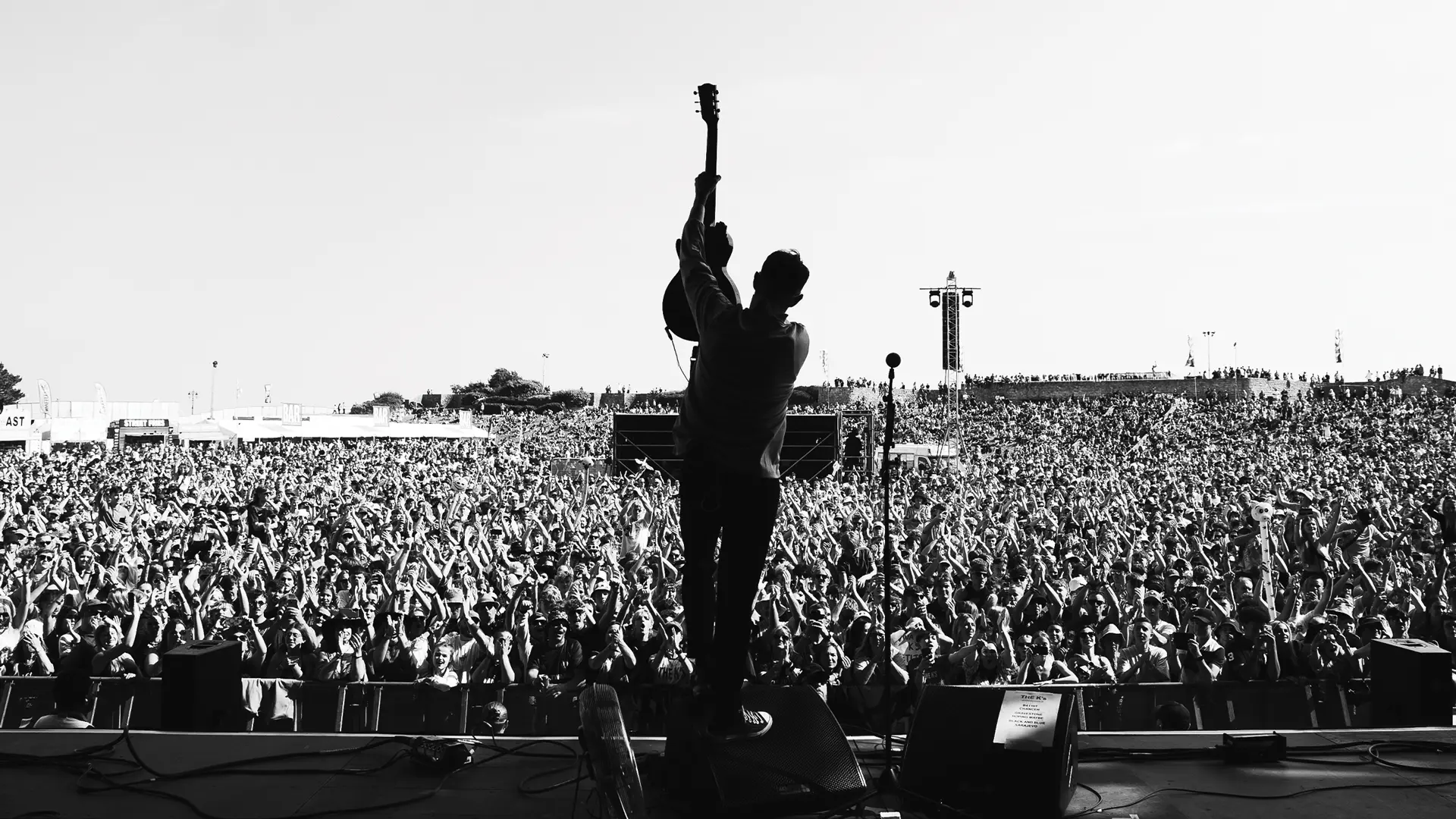
- Your festival or live show is a content engine — one set, captured properly, can produce six or more weeks of social material
- Summer tends to be one of the more cost-effective periods to run paid ads targeting music audiences, with less competition than Q4
- The audience you build during June and July is the one that makes your September release actually land
Summer music promotion gives you something that most artists don't think to use: a head start. Fan engagement on streaming platforms peaks during summer, when people have more time to listen, discover and share music. Listeners save more, add more to playlists, and come back to tracks more often. And the algorithm notices.
This guide covers how to turn that window into real fanbase growth. It's not about being everywhere all summer or cranking out daily content until you burn out. It's about having a plan that connects your content, your streaming strategy, and your live shows into one push — so the energy of festival season actually converts into something that lasts.
Why summer is a different kind of opportunity for independent artists
ANNABEL STOP IT was a guest on our find your frequency podcast, and is a very active DJ who has performed across Leeds and Tomorrowland Festival.
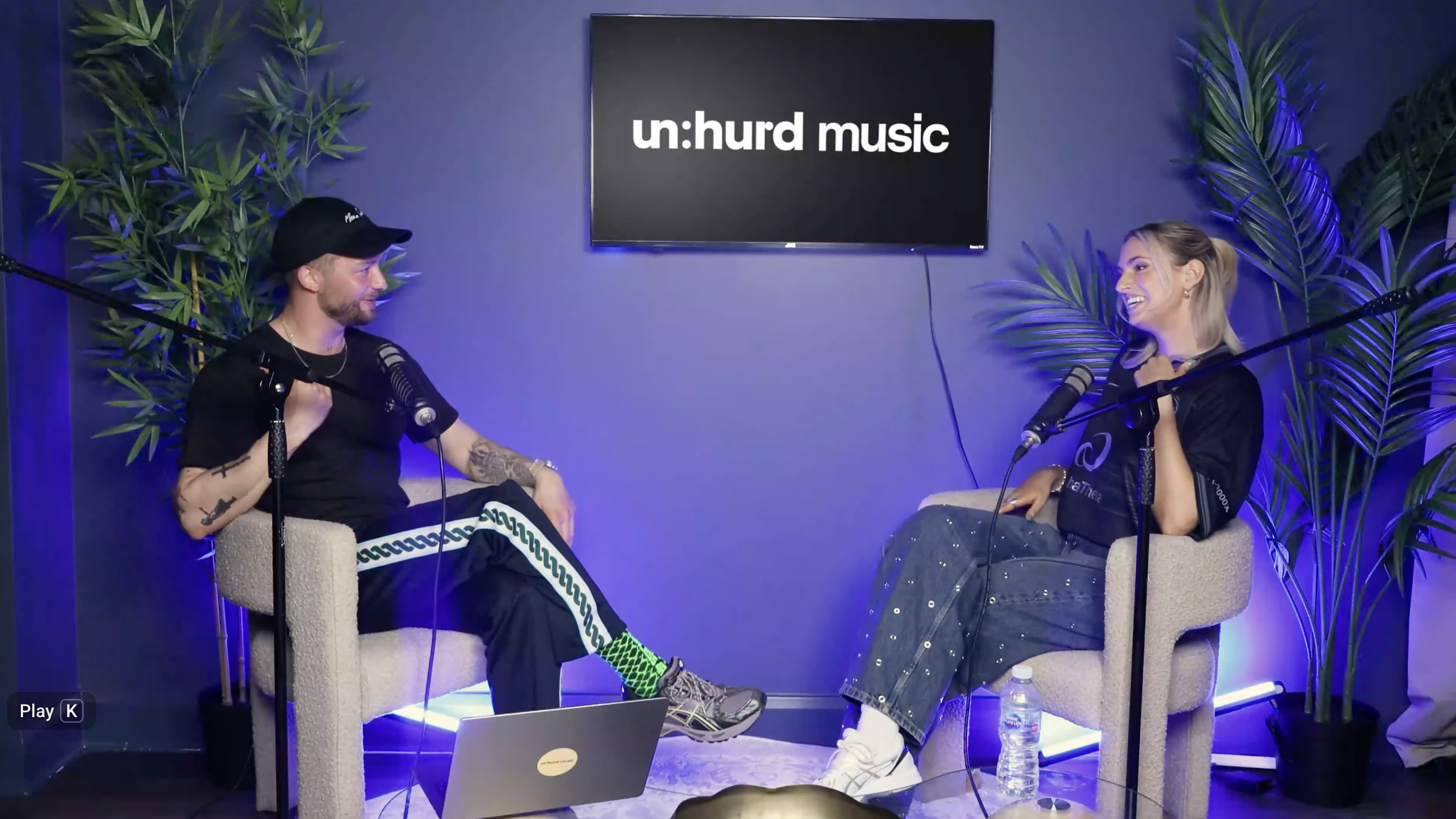
She described the seasonal pattern a lot of artists find themselves stuck in: "I've had those winters where I feel like I've crashed and burned. And then spring comes around and all the bookings start coming in and I'm like, oh, everything's okay. But then I feel like I'm in a vicious cycle of the winter's destroying any progress I did make in the summer. One or two years of that is me figuring it out. Three or four years of that is like, wait, I need to break a pattern."
That pattern is common. Summer arrives, things feel good, but without a plan the momentum doesn't carry through. The artists who break it are the ones who treat summer as a deliberate growth window, not just a busy period to survive.
When fan engagement peaks
Listener behaviour changes in summer in ways that are genuinely useful to understand. When people are on holiday, commuting less, or just spending more time outdoors with headphones in, they listen differently. Discovery goes up. Save rates go up. People share music with friends at festivals, on road trips, in gardens.
For independent artists, this matters because the Spotify algorithm responds to engagement signals — saves, repeat listens, and playlist adds — more than it does to raw stream counts. An engaged new listener who saves your track and comes back to it three times is worth far more algorithmically than a passive stream that plays out and gets skipped.
According to Chartlex campaign data across more than 2,400 artist campaigns, artists who run consistent monthly promotions are five times more likely to trigger Discover Weekly and Release Radar placements than those who only push hard around a single release. Summer gives you a sustained window to build that consistency, right when your audience is most receptive.
Why your competition is distracted
Summer is also when a lot of independent artists slow down on their marketing. They're playing shows, they're in the studio, they're taking a break. Which means the field is slightly clearer for artists who stay active and intentional throughout June, July, and August.
You don't need to be posting every day or running constant campaigns. You need to be consistent enough that the algorithm keeps recommending you, and that new listeners who discover you in June are still hearing from you when your next release drops.
The three pillars of summer music promotion
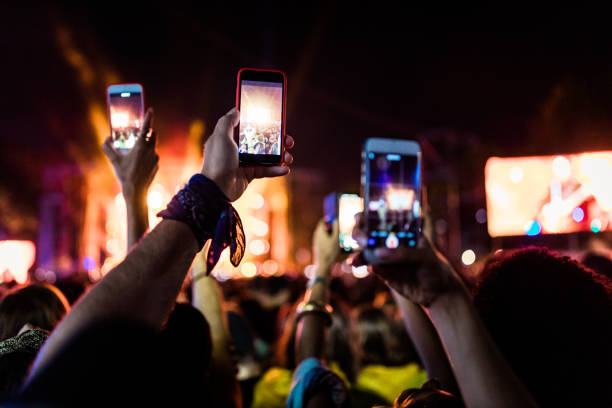
Pillar 1 — content: real-time beats polished in summer
Summer changes what works on social. The highly produced content that performs well in January — slick reels, carefully edited videos — tends to get outperformed in summer by real-time, authentic moments. Festival clips. Soundchecks. The crowd singing back. A quick video from the back of a van on the way to a show.
This isn't about lowering your standards. It's about recognising that your audience is in a different headspace, and meeting them there.
Content types that tend to work well in June and July:
- Short clips from live performances or festival appearances, even informal ones
- Behind-the-scenes footage from recording sessions or show prep
- Genuine, unplanned moments — reactions, discoveries, things that actually happened
- Road content — travel to and from shows, backstage, sound checks
ANNABEL STOP IT puts it simply: "The key thing for me all along has been to be human. That's what has kept them there and makes them join the next stream. I sort of bring them along with me on the journey and all the ups and downs behind the scenes."
That approach — bringing fans along rather than performing for them — is exactly what summer content calls for. The barriers between artist and audience come down in summer, and your content should reflect that.
The key word is capture. Most artists don't film enough at live shows. If you've got a gig or festival slot coming up, designate someone to be on phone duty, or set up a wide-angle camera at the back of the stage. You'll have far more to work with in the weeks after the show if you planned for it going in.
Pillar 2 — playlist pitching: the summer submission window
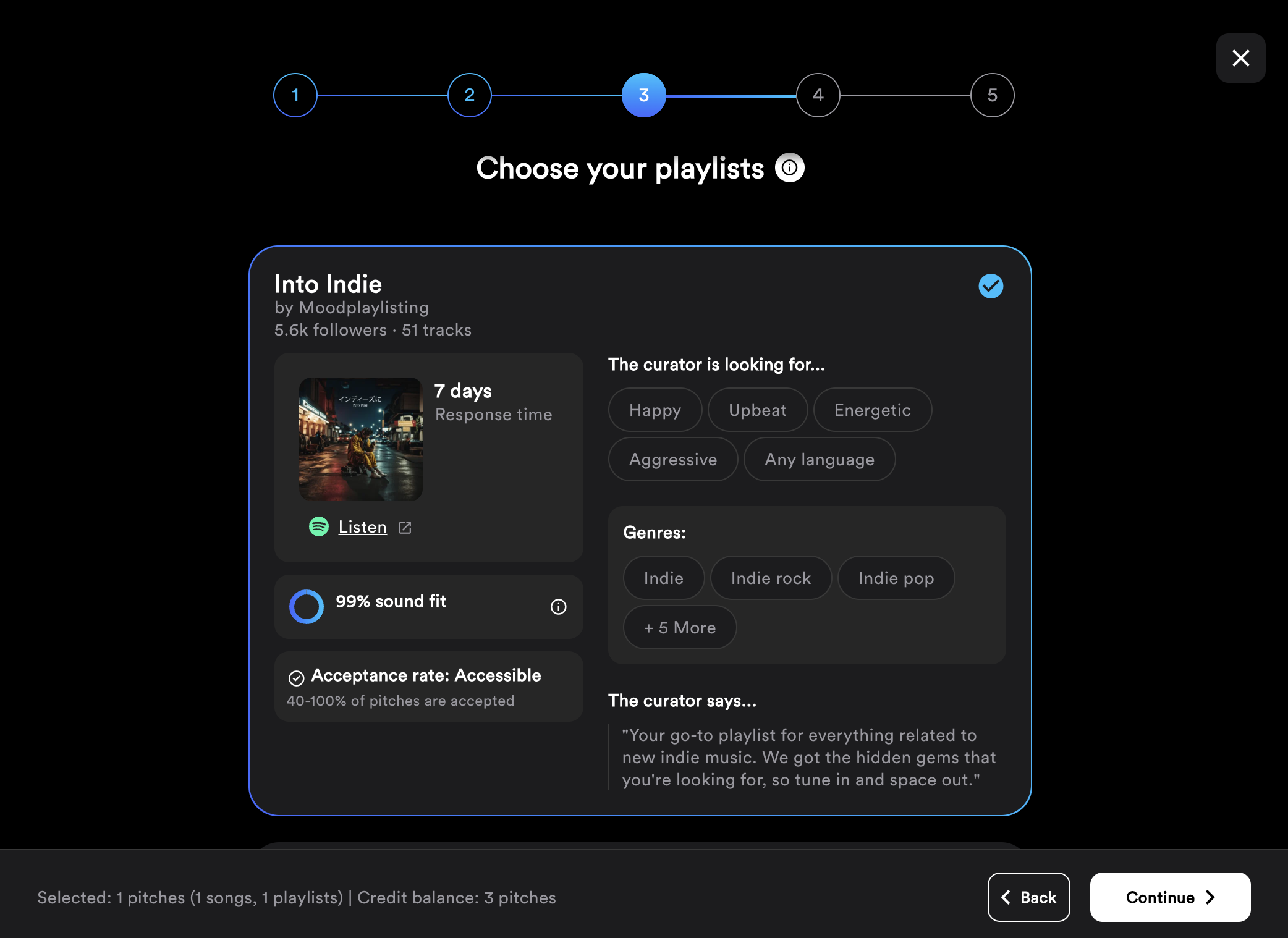
Playlist pitching is one of the most valuable things you can do for a release, and summer timing directly affects how well it works.
The first thing to know: Spotify's editorial team needs lead time. According to Spotify for Artists, tracks should be submitted at least seven days before release — but Chartlex campaign data shows that tracks submitted 14 or more days early see roughly double the editorial consideration rate. If you're releasing music this summer, or planning a September drop, your pitching window is either open now or coming up very soon. Don't leave it late.
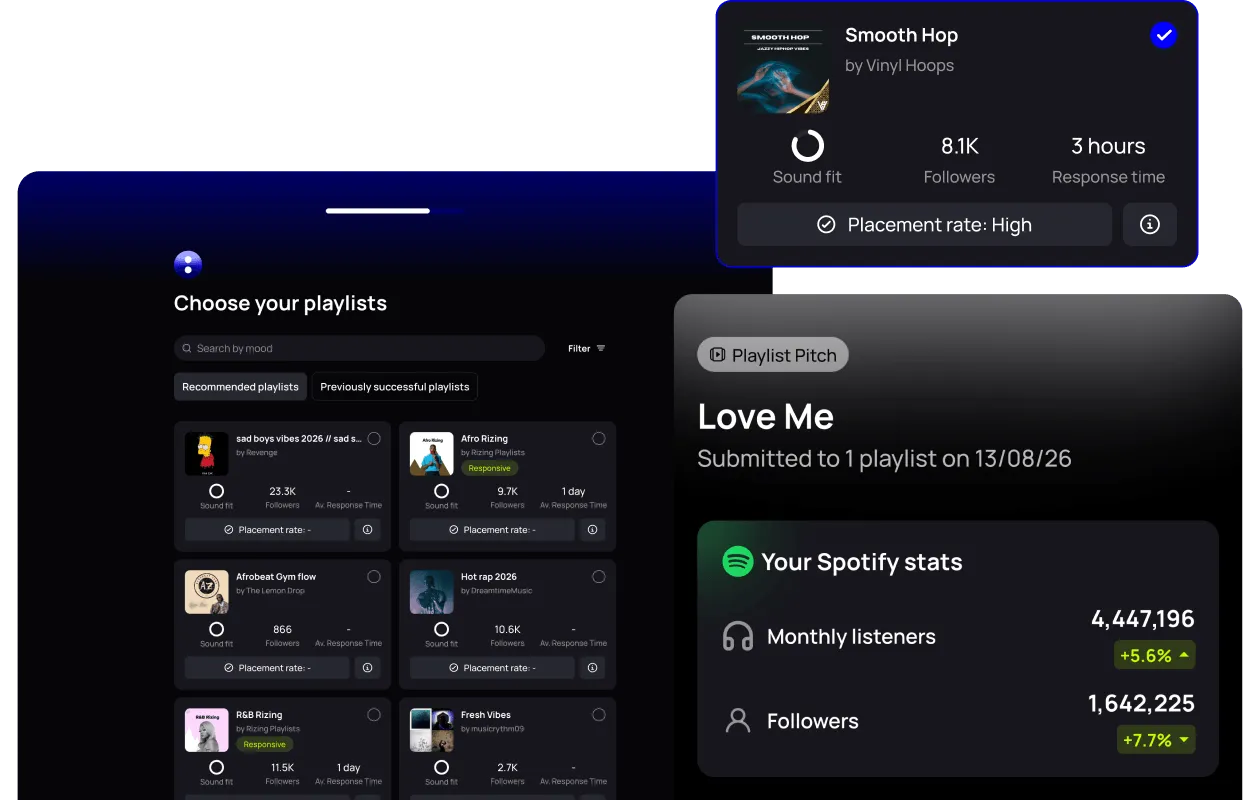
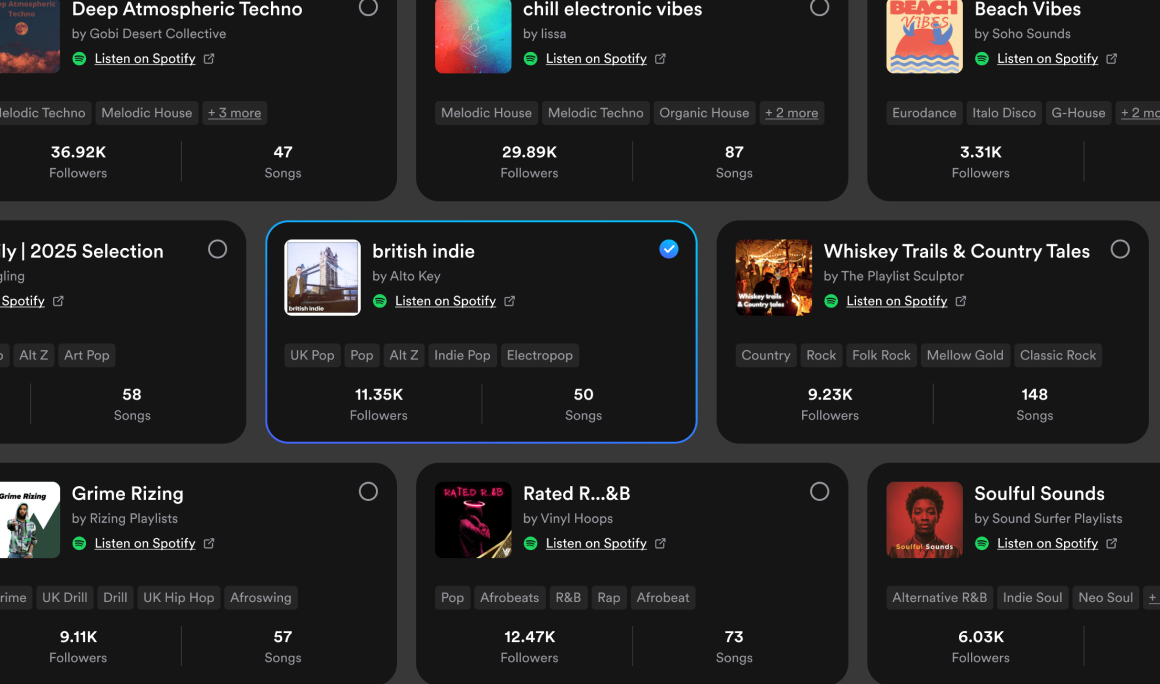
Third-party playlist placements — the kind that come from direct curator outreach or platforms like un:hurd — should run alongside editorial pitching, not instead of it. Editorial placement is competitive and never guaranteed. A strong collection of third-party placements builds algorithmic momentum in parallel: more listeners, more saves, more signals that your music is worth recommending to the next wave of listeners.
Summer also brings an opportunity to pitch your existing back catalogue to seasonal playlists. If you've got tracks that fit summer moods — festival-ready anthems, road trip music, late-night warm weather sounds — curators are actively looking for that content right now. Don't assume pitching is only for new releases.
Pillar 3 — paid ads: why summer works in your favour
Meta ad costs fluctuate throughout the year. Q4 — October through December — is consistently the most expensive time to advertise on Instagram and Facebook, because every ecommerce brand on the planet is competing for the same attention. Summer tends to be more affordable by comparison.
This doesn't mean summer ads are cheap. It means your budget goes further than it would in November, which matters if you're working with a limited spend.
Summer ad creative works best when it matches the energy of the season. Content from live shows, outdoor settings, and real moments tends to stop the scroll more effectively than polished studio shots — at least in June and July. An ad that feels like it was filmed at a festival fits the environment your audience is already in.
If you're planning a retargeting campaign for a September release, summer is the right time to build the audience you'll retarget. Run a small awareness campaign now, grow the custom audience, then retarget that warmed-up group when your next release lands. The people who saw your summer content are far more likely to stream, save, and share a new release than cold audiences who've never heard of you.
You can run ads natively on Meta and Tiktok, or use the ad builder on un:hurd where you don't need an ad account!
How to turn your live show into months of growth
Most independent artists treat a festival slot or live show as a single event. Play the set, post a couple of stories, move on. That's leaving a significant amount of growth on the table.
What to capture at your festival set
Before you play, spend five minutes briefing whoever's helping you on what you actually need. You want:
- A wide-angle shot from the back of the room or stage, capturing you and the crowd together
- Close-up performance moments — hands on instruments, your face in a real moment, not a posed one
- Crowd reaction shots — people singing back, dancing, hands in the air
- A few seconds of atmosphere — the crowd filing in, the stage from front-of-house, the energy before you start
None of this needs direction or polish. Authentic festival footage is some of the most shareable content an artist can produce. People who weren't there want to feel like they missed something worth seeing.
The 48-hour post-show window
The 48 hours after a show are when the content has the most momentum — you, your team, and any fans who were there are still buzzing. Post in that window, not a week later.
A simple sequence that works well after a festival appearance:
- Same evening or next morning: one short, punchy clip from the performance
- Day two: a slightly longer recap, or a carousel of moments from the show
- Days three to seven: crowd reaction clips, any quotes or messages from fans, a more reflective post about what the show meant
If you ran a pre-show ad campaign targeting the city or audience, switch it to a retargeting campaign in the days after. The people who engaged with your pre-show content are warm — keep them engaged while the show is still recent.
Building your September audience right now
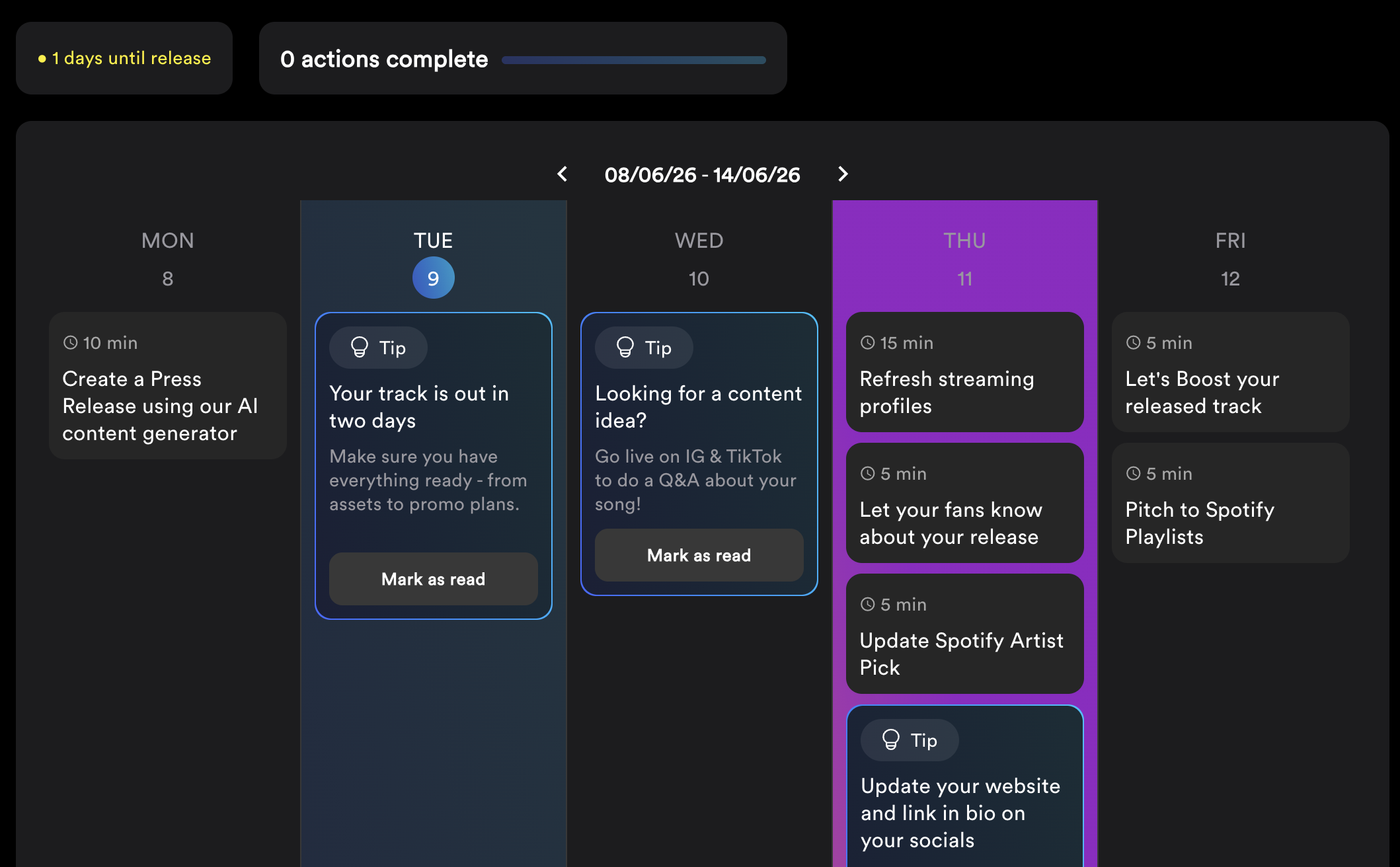
Summer promotion isn't just about immediate returns — streams this week, followers this month. The most valuable thing you can do in June and July is build the audience that makes your next release actually land.
Chappell Roan, 2024 festival run This is the cleanest case for the pitch. She played a relentless festival circuit (Coachella, Boston Calling, Governors Ball, Bonnaroo, Lollapalooza, ACL, Osheaga), and each set was engineered as a content moment, not just a gig
If you're planning a September drop — and it's one of the better windows for an independent artist, since listeners are back from summer and major label competition is lighter than Q4 — the audience-building phase starts now.
That means growing your email list with summer content as the hook. Getting new listeners to save your tracks and follow your profile so they appear in Release Radar on day one. Running small awareness ads that expand the pool of people who've actually heard your music.
Releasing music in autumn without a summer audience-building phase is like throwing a party and only telling people the day before. The groundwork you put in during June and July is what gives September the chance to actually perform. For a full week-by-week plan on how to set that up, read our guide on how to plan a music release.
Practical tip: the summer content batch method
One of the biggest challenges for independent artists in summer is staying consistent when you're busier than usual — shows, sessions, travel, everything else. Posting regularly starts to feel like one more job on top of an already full schedule.
The batch method fixes this. Pick one day every week or fortnight where you sit down and produce as much content as you can in one session. Film five to ten short clips, write the captions, schedule them out. It might take two or three hours, but it covers the next two to three weeks without you having to think about it every day.
If you have a festival or live show coming up, treat it as a content production session as well as a performance. Go in knowing what you want to capture. Come out with enough footage to last until your next show.
The artists who stay consistently visible through summer without burning out are almost always batching rather than producing content daily in real time.
Make this summer count
Summer music promotion works best when your content, streaming strategy, live moments, and plans for autumn are all pulling in the same direction. The artists who grow fastest in summer aren't necessarily doing more than everyone else — they're making sure every piece of activity feeds into the next one.
If you want the tools to support this — playlist pitching that matches your sound to the right curators, paid ads you can run without an agency, and a release planner that maps your full 8-week cycle — un:hurd brings it into one place. Try it free at app.unhurdmusic.com.
By the un:hurd team
un:hurd works with independent artists on playlisting, paid ads, and release strategy. This guide is based on what we see working across our artist community.