How Do Artists Get Funding? The Complete Guide for Independent Musicians (2026)
Grants, crowdfunding, royalty advances, investors — here's every real way independent artists get funding in 2026, plus the top grants to apply for right now.
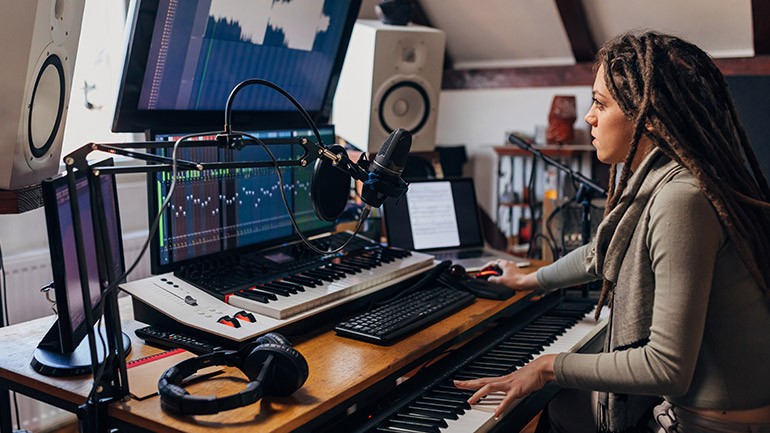
Money is probably the most common reason independent artists stall. The studio session gets pushed back. The music video stays a voice note idea. The release cycle you planned gets stretched because there's nothing left after rent.
The good news? There's a lot more funding available to independent artists than most people realise — and the majority of it doesn't require a label deal, a rich family member, or giving up your masters.
This guide covers every real way artists get funding in 2026: from arts grants you can apply for today, to crowdfunding, royalty advances, sync licensing, and more. At un:hurd we work with independent artists at every stage of their careers, and questions about funding come up constantly — so the routes below are ones we've seen work firsthand, including options used by artists in our own community to fund releases they couldn't have made otherwise. There's something here whether you're just starting out or trying to scale what's already working.
The Main Ways Artists Get Funding
Artists get funding through six main routes. Most successful independent musicians use a mix of several — not just one.
1. Arts Grants and Music Funding Bodies
Grants are probably the most underused funding option for independent artists. The basic idea: organisations — governments, charities, and foundations — allocate budgets every year to support cultural projects. You apply, make the case for your work, and if you're a good fit, they give you money you don't have to pay back.
It sounds too good to be true. It isn't. There are thousands of grants distributed to independent musicians every year through bodies like PRS Foundation, Arts Council England, Youth Music, Help Musicians, FACTOR (Canada), and dozens more.
The catch is competition. Grant applications require real effort — you need to show a clear project, a realistic budget, and evidence that you're actually doing the work. But if you put the time in, the returns can be significant.
Who it's best for: Artists who can articulate a specific project — a debut EP, a tour, a music video — with clear goals and a realistic plan for how the money gets spent.
A few of the most accessible grants to know about: PRS Foundation and Arts Council England (UK), FACTOR (Canada), New Music USA, and Creative Australia. We keep a full, region-by-region list of music grants for 2026 updated and ready to browse whenever you need it.
2. Crowdfunding
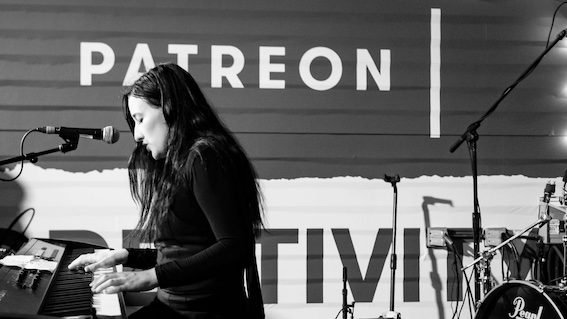
Crowdfunding is one of the most accessible funding routes for artists with an existing audience. Platforms like Kickstarter, Patreon, GoFundMe, and Indiegogo let fans contribute directly to projects they want to see happen — in exchange for early access, exclusive content, signed copies, or other rewards.
It's worth being realistic about what crowdfunding can do: it's a tool for converting existing fan enthusiasm into cash, not a way to build an audience from scratch. If you already have people who care about what you're making, crowdfunding can be surprisingly effective for funding a specific release or project.
Patreon is worth singling out here — unlike a one-time Kickstarter campaign, it creates recurring monthly income from your most loyal listeners. That kind of steady income gives you a lot more flexibility when planning releases.
Platforms to know:
- Kickstarter — project-based, all-or-nothing funding model
- Patreon — ongoing monthly fan subscriptions
- GoFundMe — more flexible, no all-or-nothing requirement
- Indiegogo — similar to Kickstarter with more flexible payout options
- Ko-fi — low-friction tip jar and membership tool
Who it's best for: Artists with an engaged following — even a small, loyal one — who want to fund a specific project without taking on debt.
3. Royalty Advances and Music Finance Platforms
A royalty advance is a lump sum paid to you upfront, in exchange for your future streaming and royalty income. Unlike a traditional record deal, modern advance platforms let you keep your rights and just repay from earnings over time.
A few platforms doing this properly for independent artists:
- Beatpay — advances against confirmed royalty income
- Sound Royalties — royalty-backed funding with no equity taken
- Amuse — distribute and advance funding via the same app
- Matchfy — European-focused royalty advance platform
Platform availability and terms change — always check directly with the provider before committing to anything.
This is a useful option if you have proven streaming income but need a cash injection to fund your next release before the royalties come in. The key thing to check with any advance is the repayment rate — make sure you understand exactly how much you're paying back and over what period.
Who it's best for: Artists with consistent streaming revenue who need upfront capital rather than waiting months for royalties to accumulate.
4. Music Investors and Angel Investors
Think of this less like a label deal and more like early-stage startup funding. Music investors — whether they're industry angels, small investment funds, or people in your own network — put money into artists they believe in, typically in exchange for a percentage of future income.
This route is harder to navigate than grants or crowdfunding, but it scales. If you're building something with genuine commercial momentum — a real fanbase, consistent streaming growth, solid release history — it's worth exploring.
Finding music investors usually starts closer to home than you'd think. Your existing industry contacts, managers, producers, and music communities are all potential starting points. Having a clear pitch (what you're building, what the money does, what the return looks like) is non-negotiable before approaching anyone.
Who it's best for: Artists with demonstrable commercial traction who are looking for larger sums and have a clear growth plan to back it up.
5. Sync Licensing
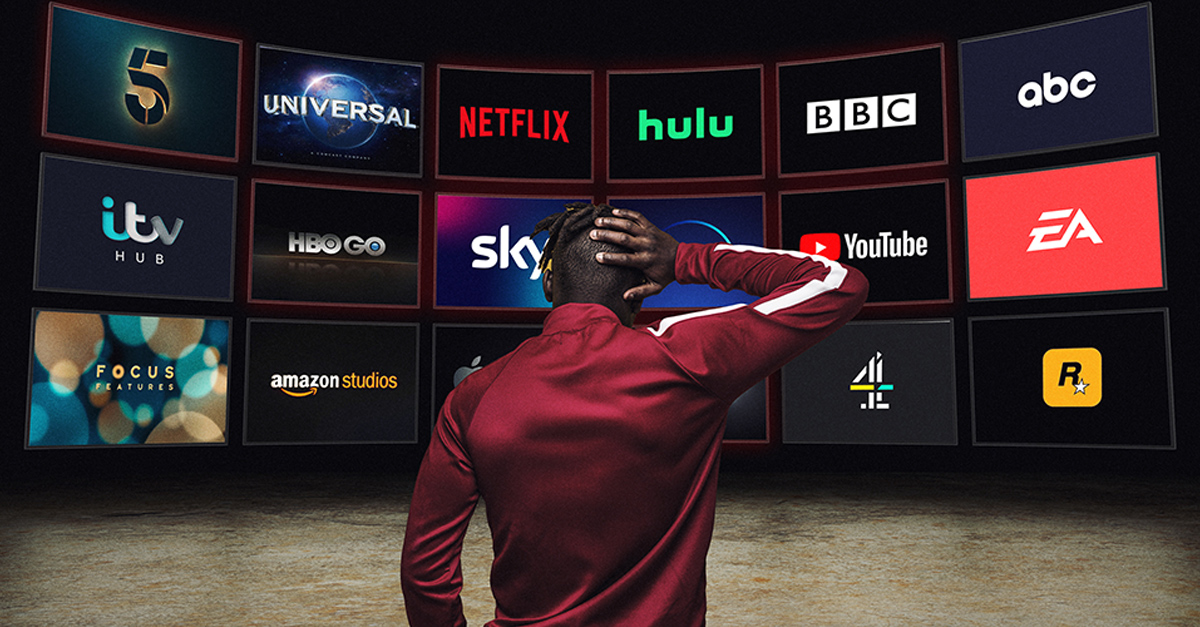
Sync licensing — getting your music placed in TV shows, films, ads, YouTube content, and video games — isn't just a revenue stream, it's a funding strategy. A single well-placed sync deal can generate anywhere from a few hundred pounds to tens of thousands, depending on the placement.
Even smaller placements (YouTube creators, podcast intros, independent films) add up over time and start generating a steady secondary income. The infrastructure for getting into sync has improved massively: platforms like Musicbed, Artlist, and Syncr let independent artists submit without needing a publisher.
Who it's best for: Artists with high-quality, well-mixed tracks — especially instrumental or lyric-light music — who want to build a passive income stream alongside their main releases.
6. Brand Partnerships and Sponsorships
Brands — from music gear companies to lifestyle brands — regularly sponsor independent artists in exchange for social content, event appearances, or product integration. This is more accessible than it sounds, even at smaller audience sizes, if your niche aligns well with a brand's target audience.
This works best when the partnership is genuine. Audiences can spot forced brand integrations immediately, and the wrong deal can do more harm than good. The right deal, with a brand your fans already use and trust, is genuinely win-win.
Who it's best for: Artists with a clear visual identity, consistent social presence, and an audience demographic that matches a brand's target customer.
Grants Worth Knowing About in 2026
Rather than duplicate the whole list here, the picks below are a good starting point — a handful of well-established options across different regions. For every grant currently open, broken down by UK, Europe, USA, Canada, Australia, Africa, and Asia, the full un:hurd music grants guide for 2026 has you covered.
Grant deadlines and eligibility criteria change regularly. Always check the funder's website directly before starting an application.
United Kingdom
- PRS Foundation — one of the UK's most respected music development funds, covering recording, touring, and international projects | Apply here
- Help Musicians UK — supports professional musicians at all career stages with development and emergency funding | Apply here
- Youth Music NextGen Fund — specifically for emerging artists and music makers under 25 | Apply here
- Arts Council England — the main public funder for arts projects in England; higher competition but higher rewards | Apply here
USA & Canada
- GRAMMY Museum Grants Program — open to US and Canadian artists, focuses on music research and preservation projects | Apply here
- FACTOR — Canada's main funding body for music recording, touring, and marketing | Apply here
- New Music USA — supports the creation and performance of new music across the US | Apply here
Australia & Worldwide
- Creative Australia — the Australian government's primary arts funding body | Apply here
- AmplifyWorld Artist Fund — open worldwide, no regional restrictions | Apply here
👉 See the full list of music grants for 2026 — by region, with direct application links
How to Give Yourself the Best Chance of Getting Funded
Whether you're applying for a grant, launching a crowdfunding campaign, or pitching an investor, the fundamentals are similar: clear project, credible plan, and a reason the funder should care.
Here's what separates successful funding applications from the ones that get ignored.
Research before you apply. Don't send the same application everywhere. Each funder has a specific mission — grants for emerging artists, grants for touring, grants for a particular region or genre. Check you actually qualify before you spend time on the application.
Make the project specific. "I want to grow my music career" isn't fundable. "I want to record and release a five-track EP, with a UK headline tour in September, targeting an audience of indie electronic fans aged 18-30" is. The more specific and realistic the project, the more credible the application.
Budget like you mean it. Include real numbers with real sources. Get actual quotes from studios, video directors, PR agencies. A made-up budget tells a funder you haven't done the work. A detailed, researched budget tells them you'll actually deliver what you're promising.
Show traction. Monthly listener counts, streaming growth, social following, previous releases — include anything that proves there's real momentum behind your work. Arts councils and music foundations increasingly look at commercial viability alongside artistic merit.
Tailor every application. Read the funder's language, their previous funded projects, and what they say they're looking for. Mirror that language in your application. It's not cynical — it's showing you've done your homework.
Don't give up after one rejection. Most artists who successfully receive grants were rejected multiple times before their first win. The application itself gets better every time you do it.
Quick Application Checklist
- Provide every document the form asks for (bios, photos, music files — in the correct formats)
- Detail exactly what you'll use the funds for, with a breakdown
- Show evidence of your work and audience so far
- Explain what success looks like and how you'll measure it
- Proofread everything before you submit
FAQs: How Do Artists Get Funding?
Do I need to be signed to a label to get a music grant?
No. The majority of arts grants and music funding bodies exist specifically to support independent artists without label backing. Being independent is often an advantage, not a barrier — most public funding is designed precisely for artists who don't have corporate support behind them.
Can I apply for multiple grants at the same time?
Yes. Applying for multiple grants simultaneously is completely standard practice. Just make sure each application is tailored to that specific funder's criteria rather than copy-pasted.
How much funding can an independent artist realistically get?
It varies wildly. Smaller regional grants might be £500-£2,000. Bodies like PRS Foundation and Arts Council England can fund projects in the tens of thousands. Crowdfunding campaigns for independent artists typically raise between £2,000 and £20,000 for a well-run campaign with an engaged audience.
What's the difference between a grant and a royalty advance?
A grant is money you don't repay — you're given it based on the merit of your project. A royalty advance is money you repay from future earnings. Both are legitimate tools, but they serve different purposes: grants are better for projects and creative development; advances are better if you have existing income you want to access sooner.
What can I spend music grant funding on?
Each grant will specify, but common eligible costs include recording and production, mixing and mastering, music video production, marketing and PR, touring costs, equipment, and professional development.
Are there grants available for all genres?
Most grants are genre-neutral and focus more on the project quality and artist development than specific sound. Some specialist funds do focus on particular genres or demographics — it's always worth checking.
Once You Have Funding — Make Every Release Count
Funding is the fuel. How you use it is what actually moves the needle.
The most common mistake artists make after securing funding is spending it without a clear release strategy. Studio session, tick. Artwork, tick. Distribution, tick. But no real plan for how to build momentum around the release.
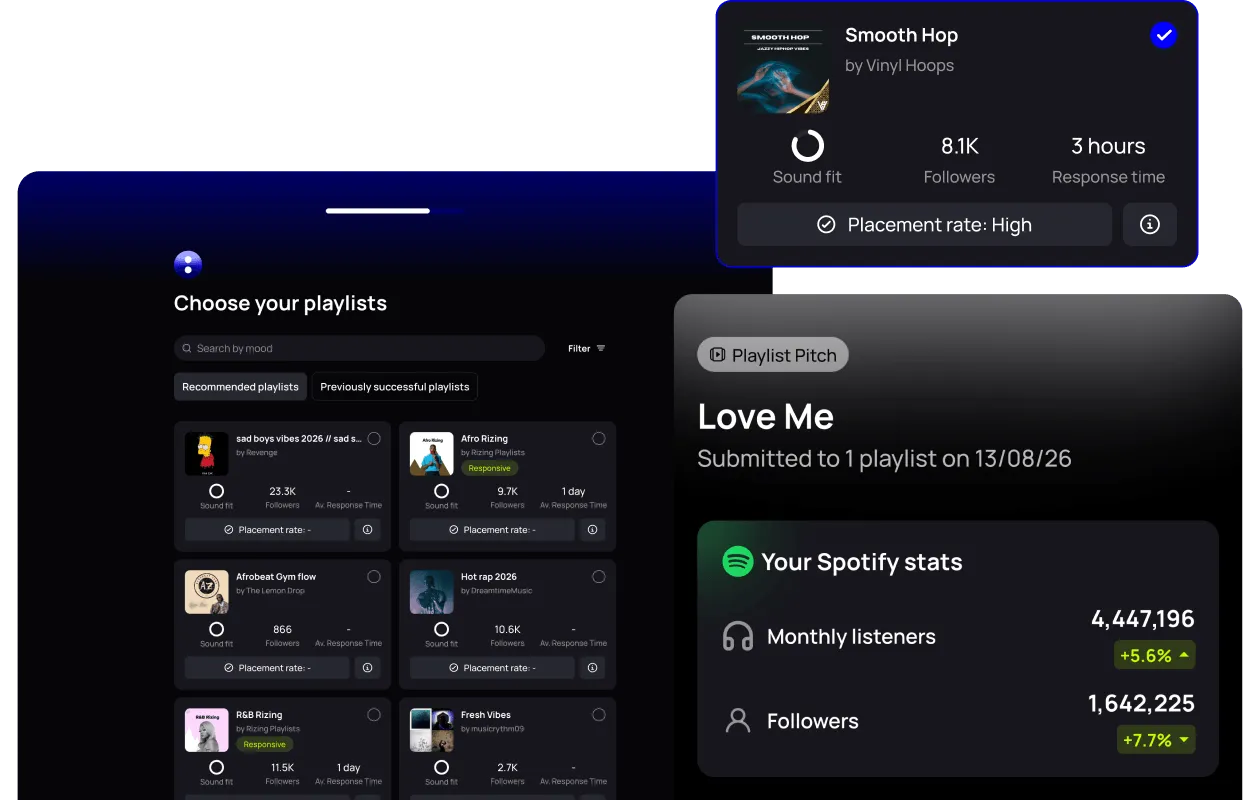
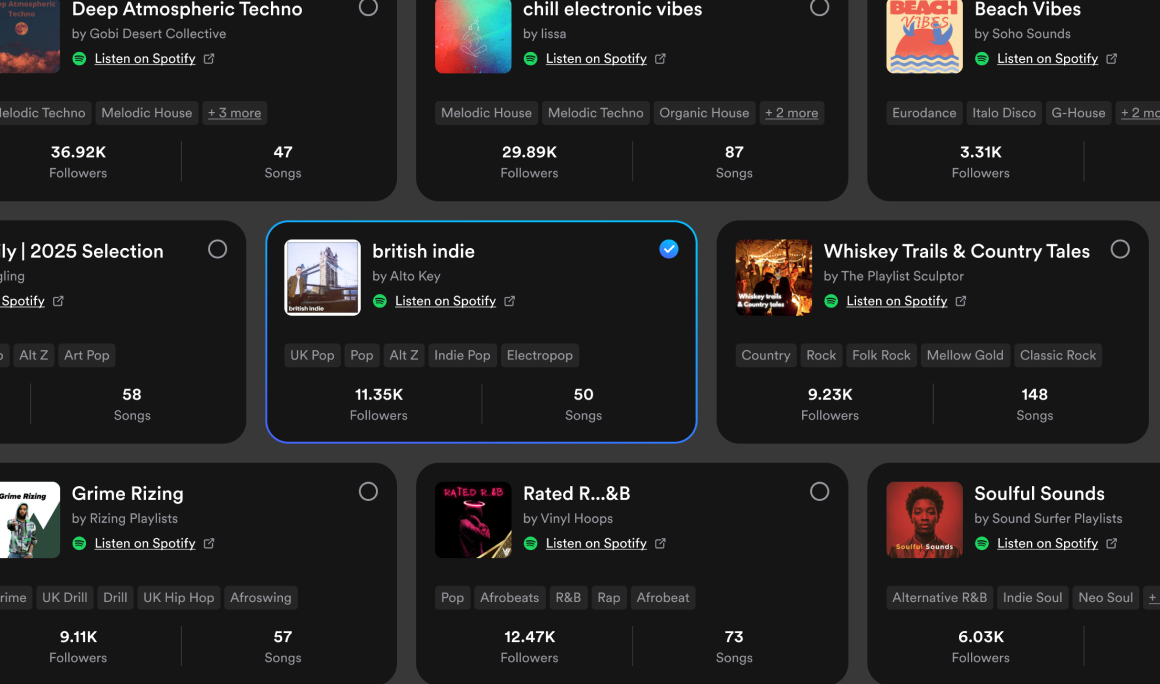
That's exactly what un:hurd is built for. Our platform helps independent artists plan and execute their release cycles properly — from playlist pitching and Spotify editorial submissions to fan engagement and streaming insights — so the money you've worked hard to get actually goes further. We've seen artists who invest grant funding into a structured release cycle consistently outperform those who spend the same budget without one.
Start your free trial on un:hurd and see how thousands of independent artists are making their releases land harder.
Know a grant we've missed? Drop us a message and we'll keep this list updated.